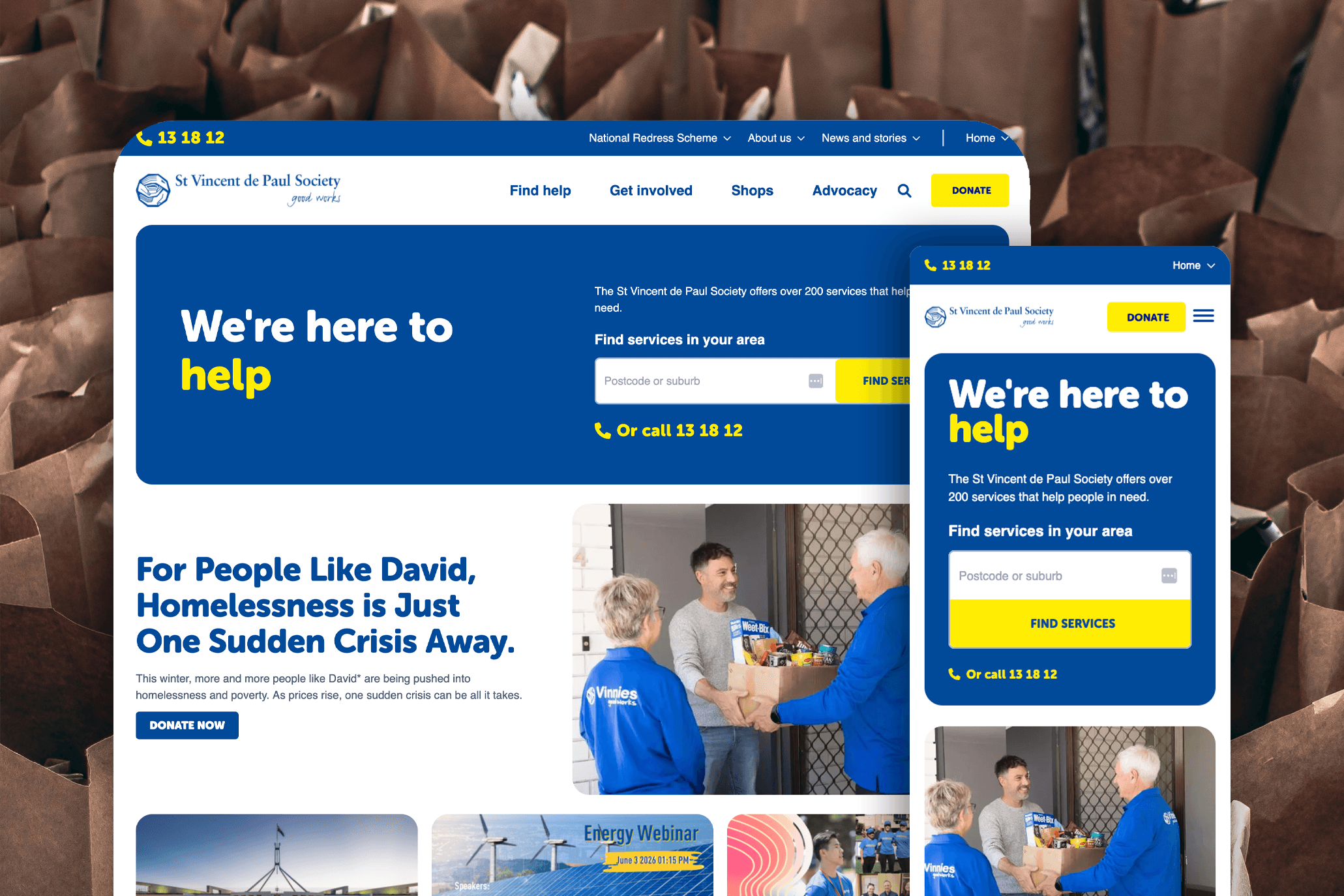
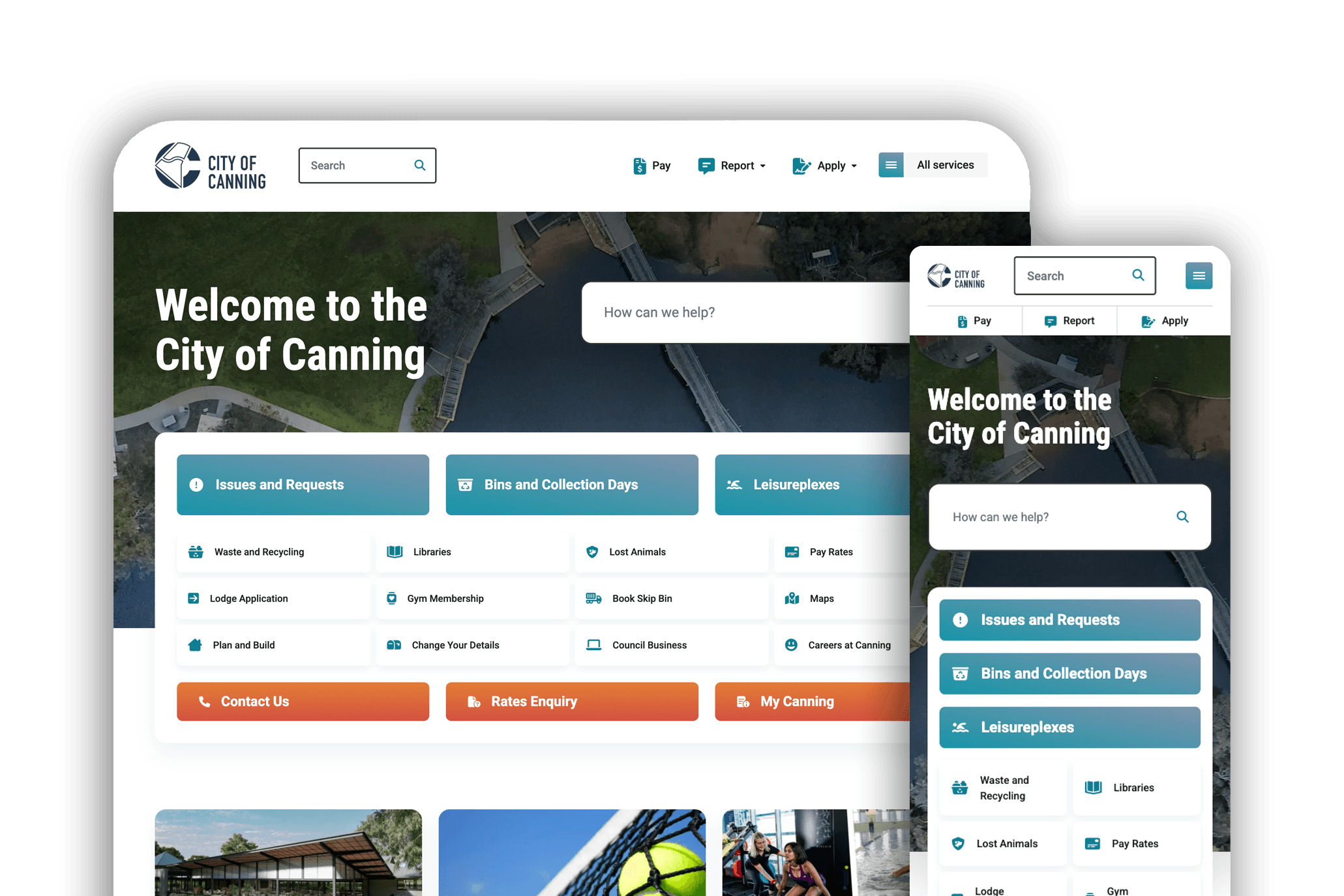
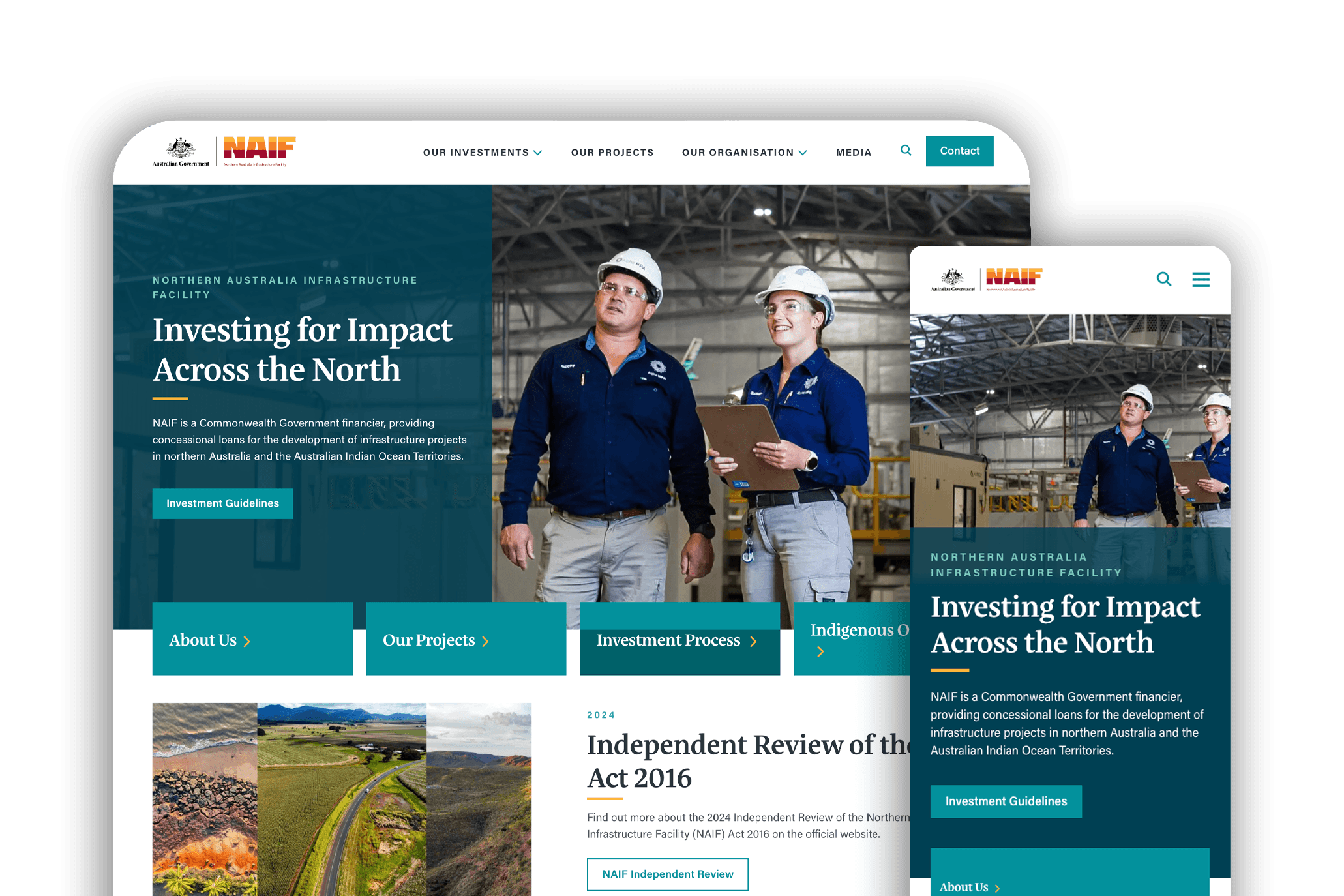
Structure that supports real use
Flows and hierarchy shaped by research, including card sorting, not by internal logic or organisational structure.
UX and UI design services only work when interfaces support real behaviour, not ideal scenarios. We design digital experiences that reduce friction, improve usability, and stay consistent as platforms grow more complex over time.

When experiences are well designed, people don't stop to think about how things work. They move through tasks naturally, understand what's next, and return without friction. That outcome isn't accidental. It comes from deliberate decisions about structure, hierarchy, user flows, and interaction - shaping how complexity is revealed and choices are made. Our UX and UI design services focus on creating structure that supports real use at scale, so platforms remain clear and usable as they grow. That structure works best when it's grounded in real user research, which is where we usually start.
Flows and hierarchy shaped by research, including card sorting, not by internal logic or organisational structure.
Interfaces checked against heuristic review and real usability testing, designed to reduce hesitation and improve usability.
Interactive Figma prototypes tested with real users, so problems surface early and teams align before build begins.
Design systems built and maintained in Figma, keeping interfaces coherent as products, teams and requirements evolve.
Great design doesn't start with solutions, it starts with understanding. We work through four stages that move from exploring the problem to delivering a proven answer. First, we widen our view to understand your users, business, and the real challenge at hand. Then we narrow in on the specific problem worth solving. From there, we open up again to explore ideas and prototypes, before refining and testing the strongest one. This back-and-forth between exploring widely and focusing deeply means we avoid assumptions, reduce risk, and deliver work that's grounded in evidence, not guesswork.
Users rarely move through platforms the way teams expect them to. They skip steps, scan instead of read, and make decisions based on momentum rather than carefully structured flows. UX design becomes effective when it reflects that reality. Understanding where hesitation appears, where friction interrupts progress, and where behaviour diverges from assumptions creates experiences that feel intuitive without needing explanation.

Before users engage with content or complete a task, they assess whether a platform feels understandable and reliable. Layout, hierarchy, spacing, and familiarity all influence that judgement long before functionality is tested. Strong UI design creates clarity without demanding attention to itself, helping interfaces feel usable immediately rather than requiring people to learn how they work.

Abstract discussions tend to create assumptions, not alignment. Prototypes change that dynamic by making interaction tangible early in the design process. Flows can be tested, friction becomes visible, and stakeholders can respond to something concrete instead of interpreting static ideas differently. That early validation reduces expensive late-stage changes and creates far more confidence before development begins.
As products evolve, inconsistency becomes operational friction. New features introduce different behaviours, interfaces drift, and teams spend more time re-solving the same problems. Design systems prevent that fragmentation by creating reusable foundations shared between designers and developers. Clear patterns, reusable components, and structured interaction rules allow platforms to grow without losing coherence over time.











User research turns uncertainty into direction. By observing behaviour, testing assumptions, and listening closely to the people using your product or service, we uncover what actually matters and translate those insights into clear, actionable inputs for design, technology, and strategy.
Read moreEnterprise website development services must navigate real operational pressure: governance, accessibility, scale, internal stakeholders, and constant change. When a website is treated as a static asset, teams pay for it later through rebuilds, workarounds, and lost momentum.
Read moreServices firms don’t win work by being loud. They win by being clear, credible, and confident in what they know. Our approach to professional services website design showcases expertise without noise, fluff, or over-selling.
Read moreKoben is the technical partner for design agencies taking on complex website projects. Your agency leads the creative and the client. We take on the full technical side, white label or co-branded.
Read moreShowing cards 1-1 of 4
Share the journeys that matter most and where users get stuck. We will recommend a design engagement, from a focused usability review to a full UX and UI redesign, and tell you where user research should come first.
UX (user experience) covers the structure, flows and logic of a product, how someone moves through it and whether it makes sense. UI (user interface) is the visual layer built on top of that structure: layout, colour, typography and interaction detail. We deliver both together because a well-structured product still needs a clear interface, and a good interface still needs the right structure underneath it.
Depending on the project, that includes usability testing, card sorting, heuristic review and prototyping, typically in Figma. Which methods we use depends on what's already known about the users and what's still uncertain.
User research establishes what's actually true about your users before design decisions are made, through interviews, surveys or testing. UX/UI design then uses those findings to shape the structure and interface. See our User Research page for more on the discovery side of that work.
We do both, and we design with development in mind, so what gets designed is realistic to build and doesn't need to be reinterpreted by a separate development team. Design and build can also be scoped separately if that suits your project better.
It depends on the complexity of what's being designed and how much groundwork, research, existing design assets, is already in place. A focused redesign of an existing product moves faster than a design phase for a new, complex platform built from scratch.