Enterprise power, usable daily
Handles complex enterprise requirements while staying intuitive for content and marketing teams.
Umbraco CMS is a flexible, open source platform designed for organisations dealing with complex content, integrations, and governance. As an Umbraco Platinum Partner, it's our go-to content management system when simpler platforms break down, supporting enterprise, government, and NFP platforms that need to scale, stay secure, and remain usable for everyday teams.

Umbraco CMS is chosen by organisations that need flexibility without losing control. It supports complex content structures, integrates cleanly with other systems, and gives editorial teams the freedom to work without constant developer involvement. When the foundation is right, teams move faster and change becomes easier to manage. That strength is exactly why experience matters. As an Umbraco Platinum Partner, we recommend Umbraco where its flexibility and extensibility create real advantage. Our role is to make sure Umbraco is implemented with intent, so its strengths translate into performance, usability, and long-term stability. We work with organisations across Australia, including Sydney, Melbourne, Brisbane, Perth and Canberra, from our base on the Gold Coast.
Handles complex enterprise requirements while staying intuitive for content and marketing teams.
Smooth transitions to Umbraco CMS that minimise downtime, risk, and unnecessary rebuilds.
Built on modern .NET foundations with transparent source code, Umbraco supports performance, compliance, and resilience at scale.
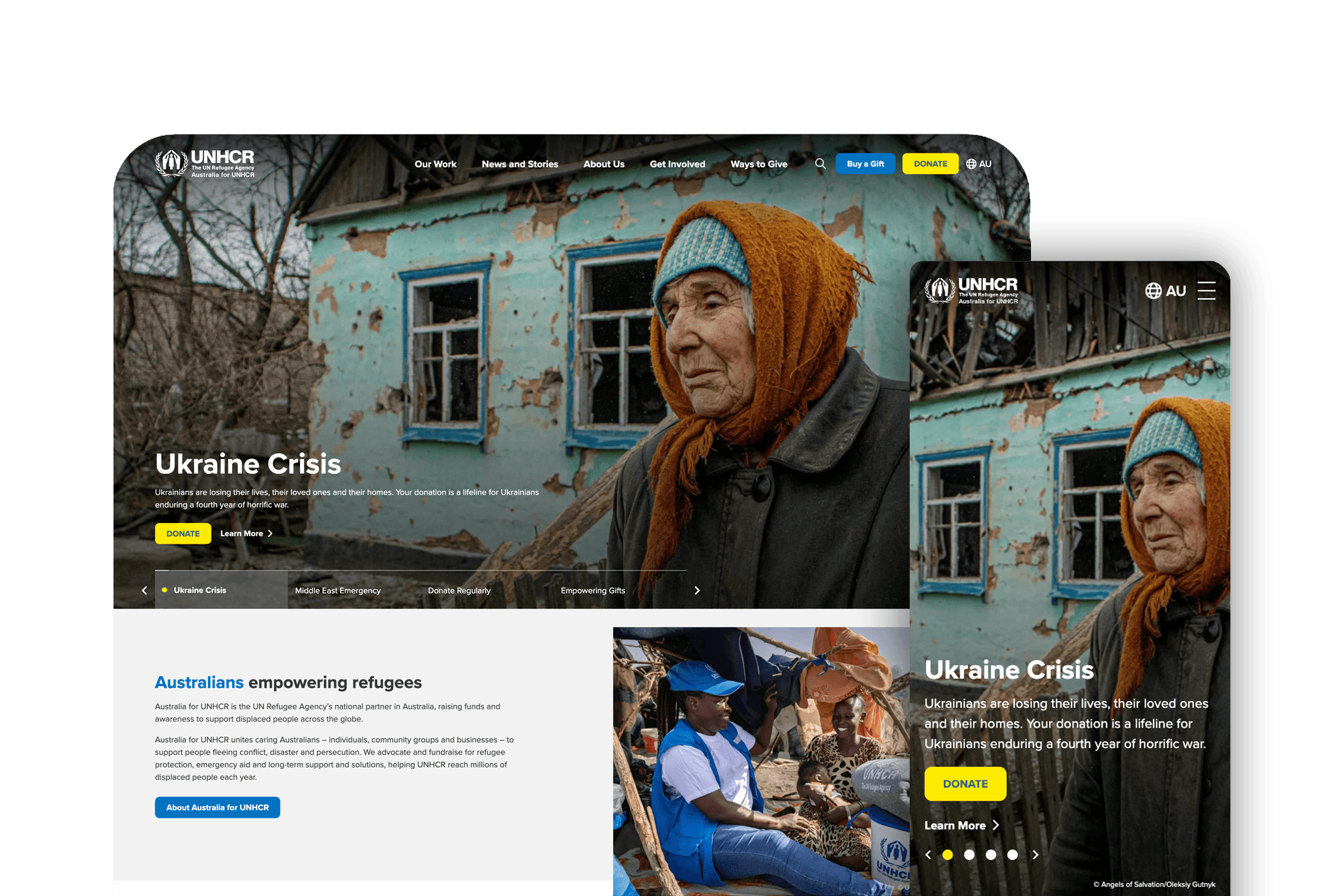
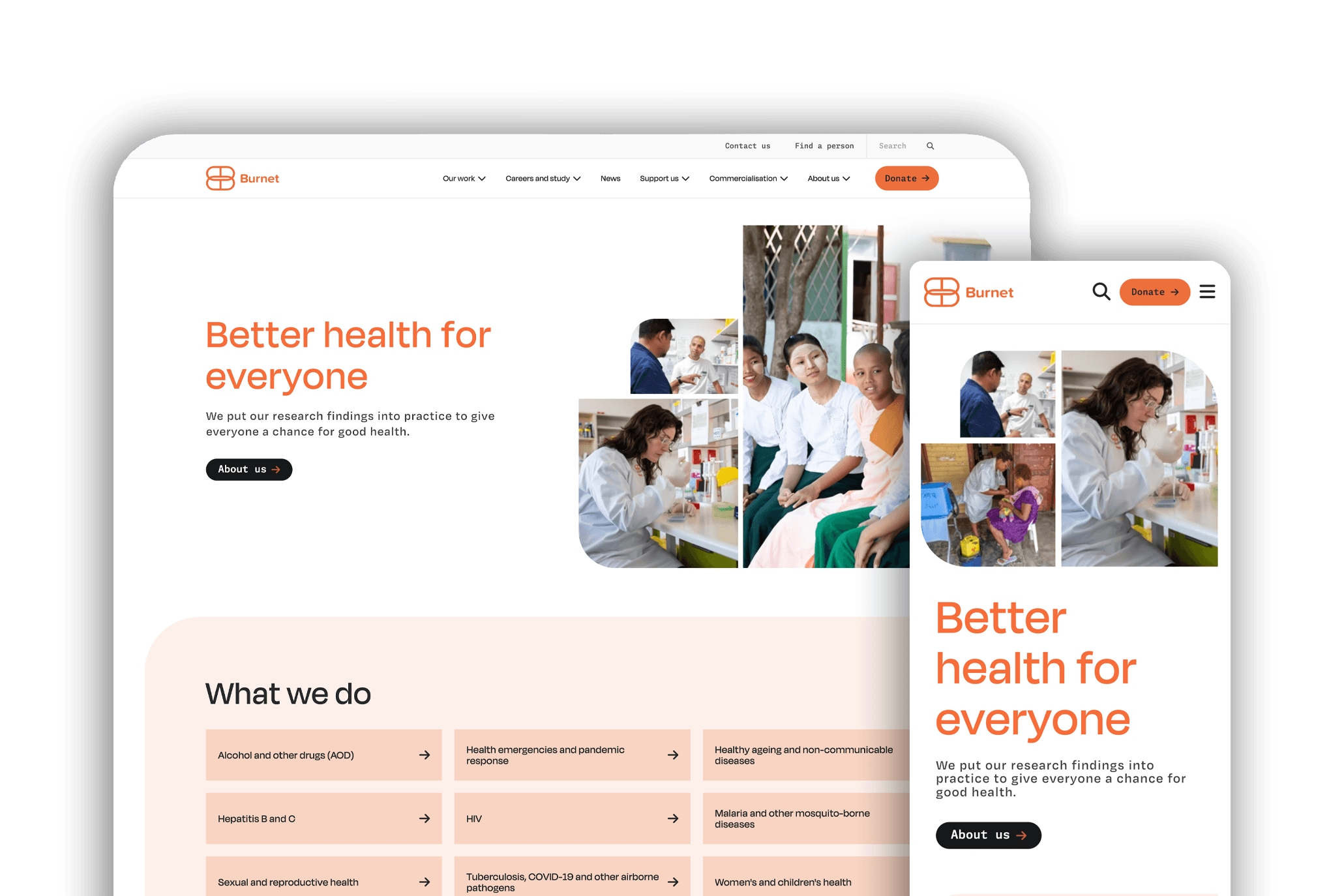
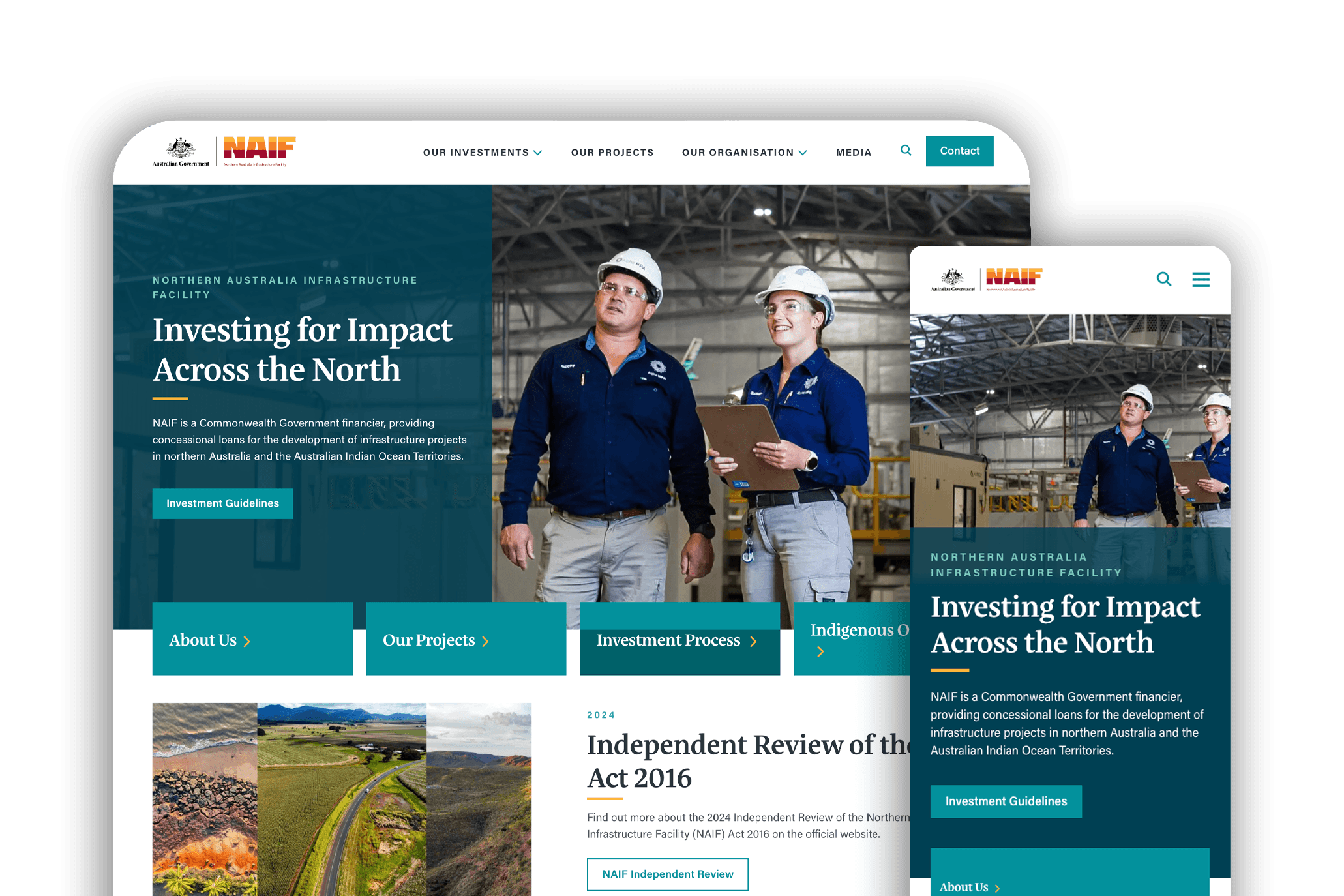
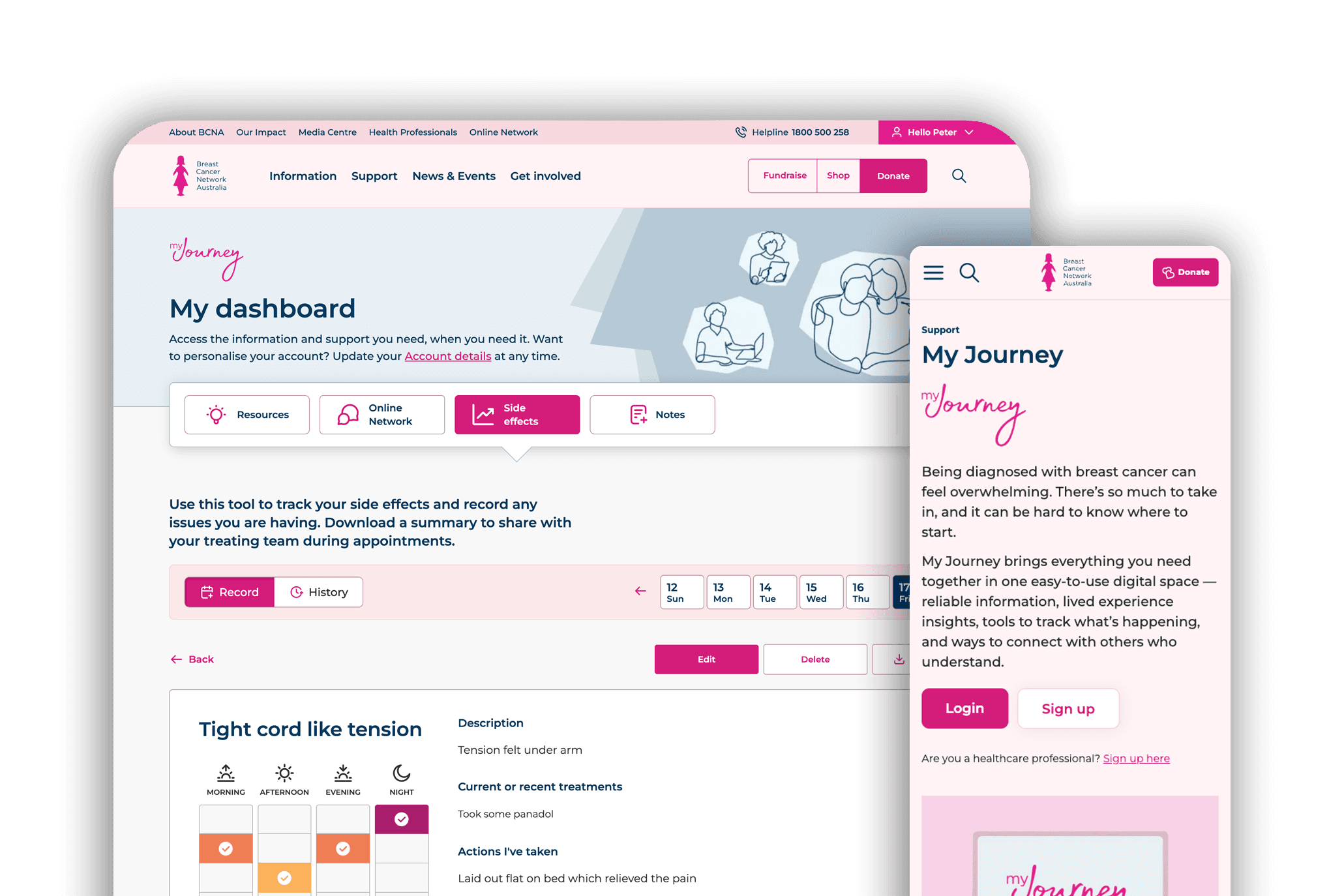
As an Umbraco Platinum Partner, we bring proven delivery across government, NFP, and enterprise environments.
Umbraco covers core content management on its own. When a project needs more, it extends through Umbraco's own add-on products, covering commerce, forms, workflow, personalisation, custom backoffice tooling, automation and AI. It can run headless, hybrid or fully coupled, and hosts on Umbraco Cloud or your own infrastructure, including Azure.
Native e-commerce for Umbraco, with product, cart and checkout managed inside the same CMS.
No-code forms for lead generation, surveys and applications, built and managed by content teams.
Content approval flows, versioning and user roles for teams that need sign-off before anything goes live.
Personalisation and marketing automation built on visitor behaviour, without a separate marketing platform.
Custom dashboards and editor views for managing data that does not fit the standard content model.
A visual automation engine for customer journeys and business logic, without a code deployment for every change.
Connects Umbraco to CRM, PIM, ERP and other systems through one orchestration layer, instead of one-off integrations.
AI features with a choice of model and provider, so nothing is locked to one vendor.
Content can be delivered through Umbraco's Content Delivery API to any front end, or rendered server-side in the traditional way.
Run fully managed on Umbraco Cloud, or self-host on Azure and other infrastructure.
Hundreds of official and community packages to plug straight into Umbraco, from SEO tools to industry-specific add-ons.
We are building Krayon, a drag and drop visual editor for Umbraco that works closer to how Webflow feels to use day to day. It is built to make Umbraco easier to edit without always needing a developer on hand, while the platform underneath stays exactly as it is.
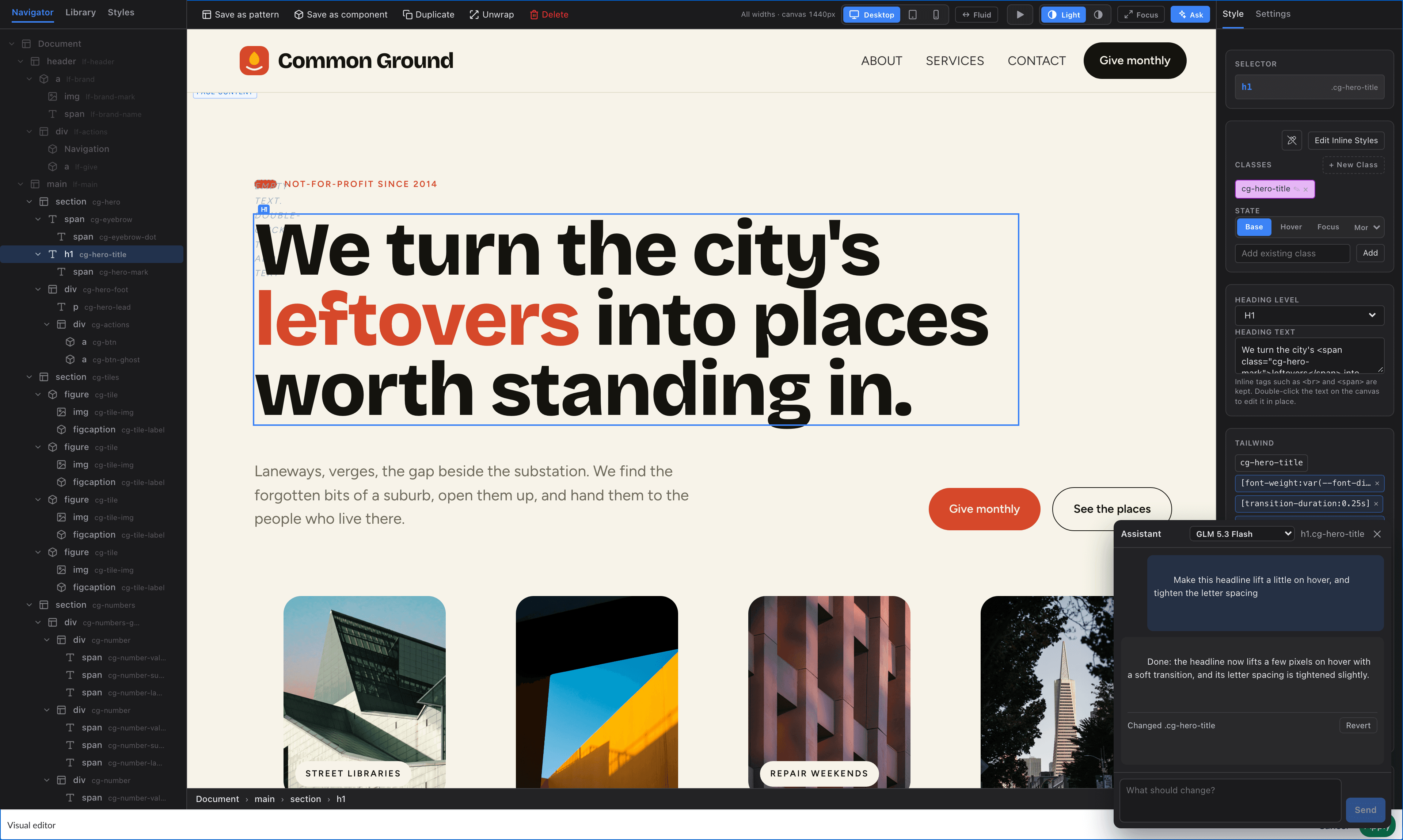
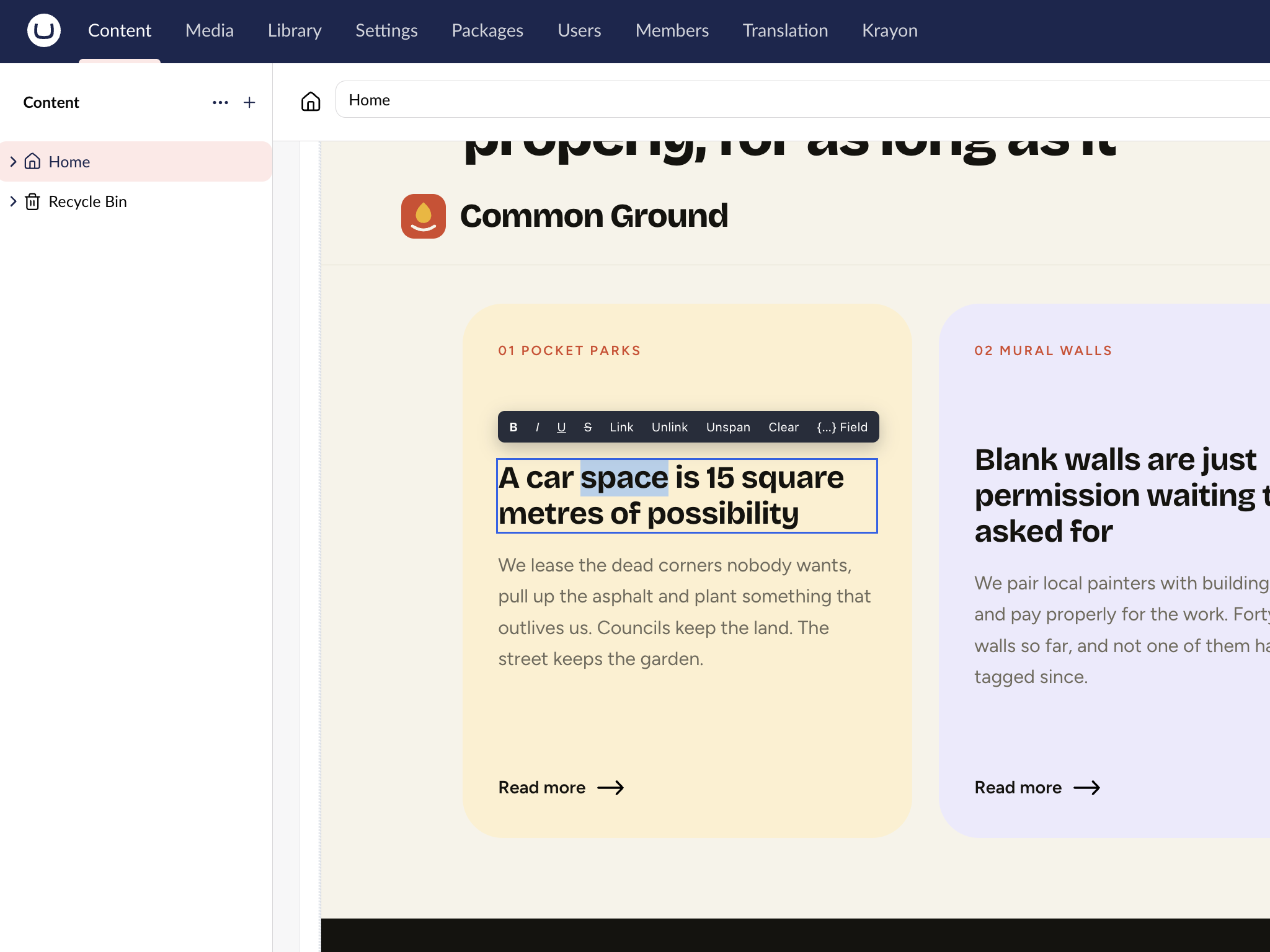
Your marketing team builds the landing page, the campaign section or the new call to action in Krayon and publishes it. No ticket, no dev cycle, no waiting for the next release window.
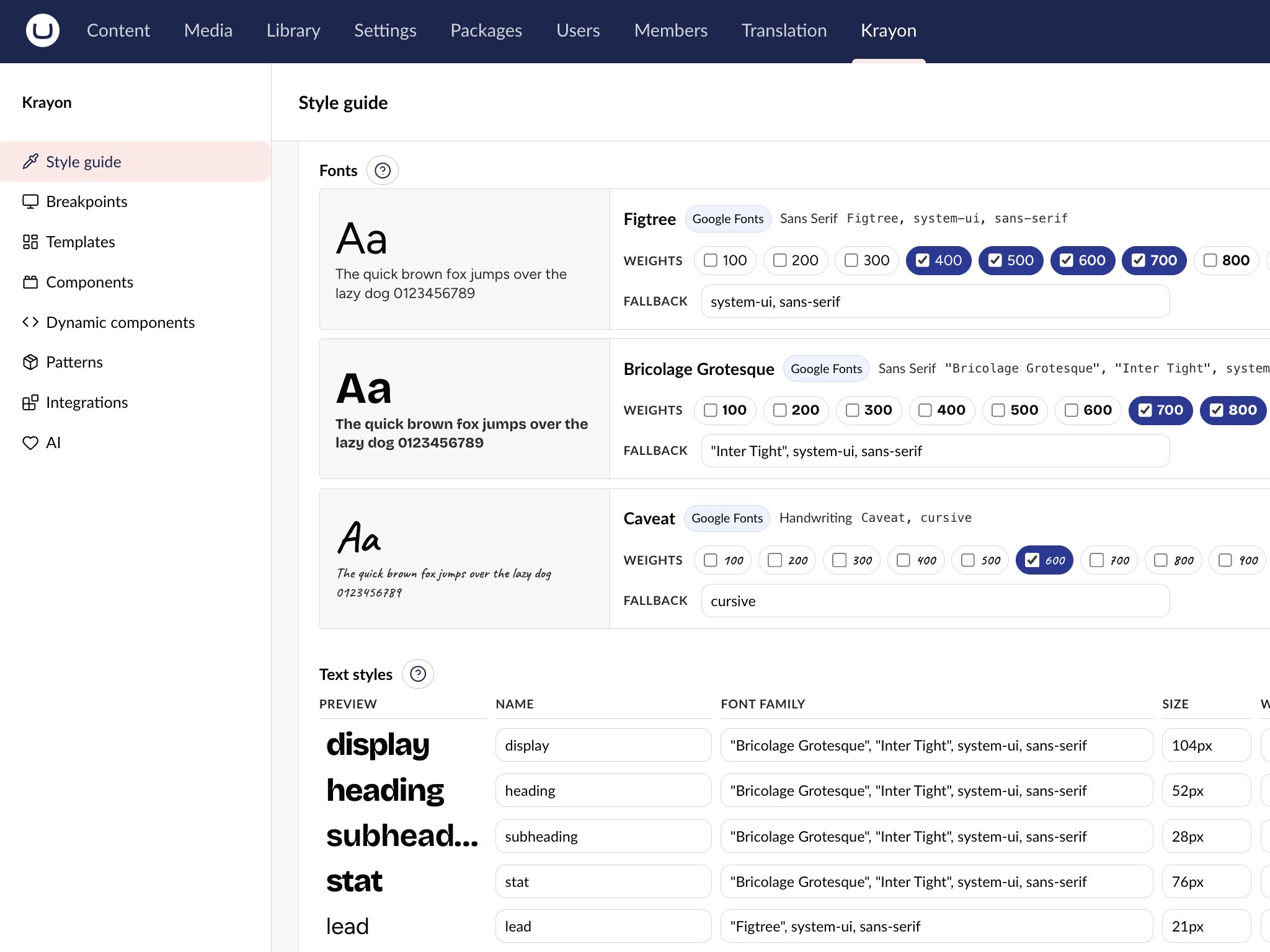
Krayon's editor bends to what you need: layouts, variants, spacing and content that were never pre-built for you. Draw on your design system, so whatever you make looks like it belongs.
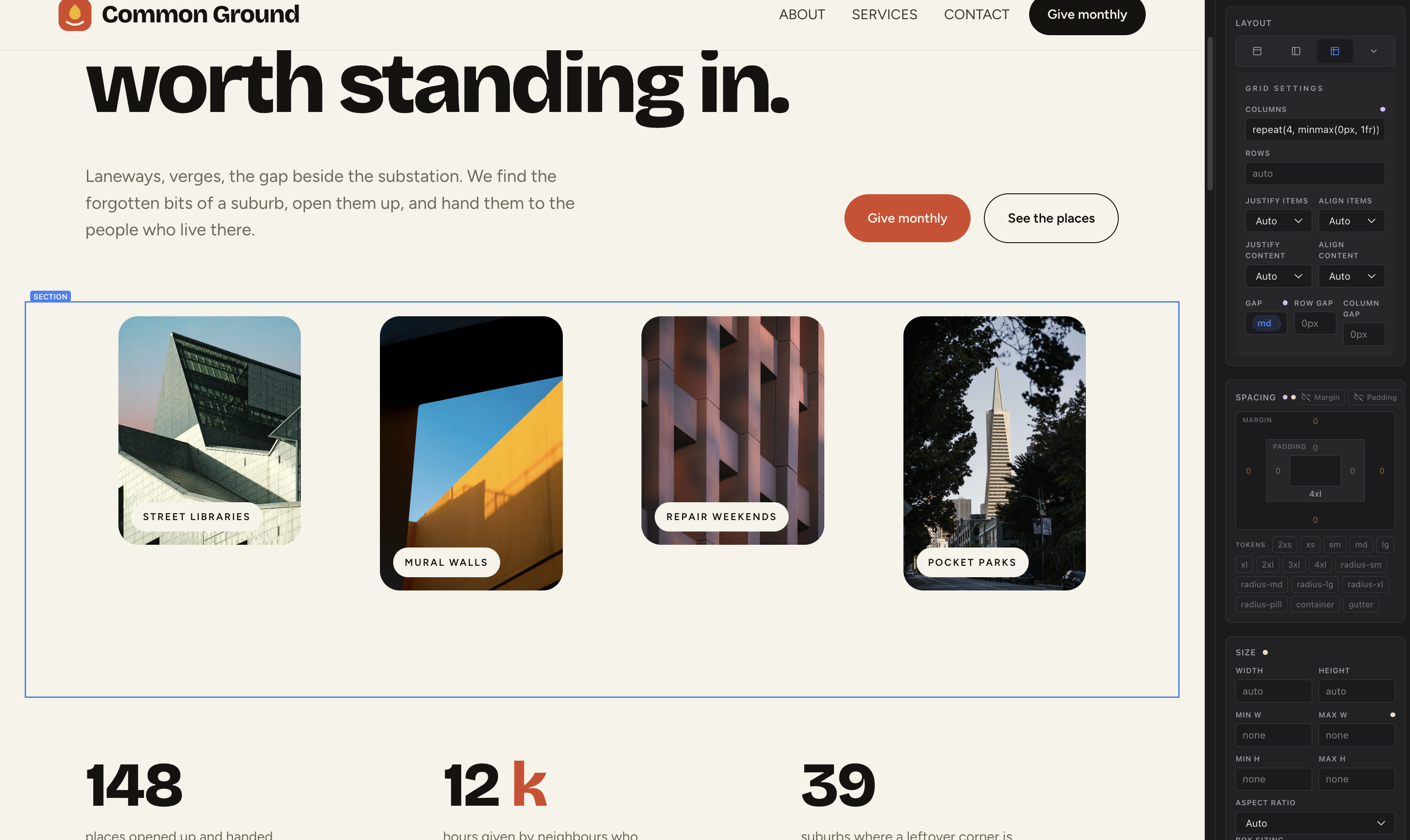
Drop Krayon into a single section of an existing Umbraco page, use it for campaign pages only, or build the entire site with it. Your developers keep the foundations; you choose how far to take it.
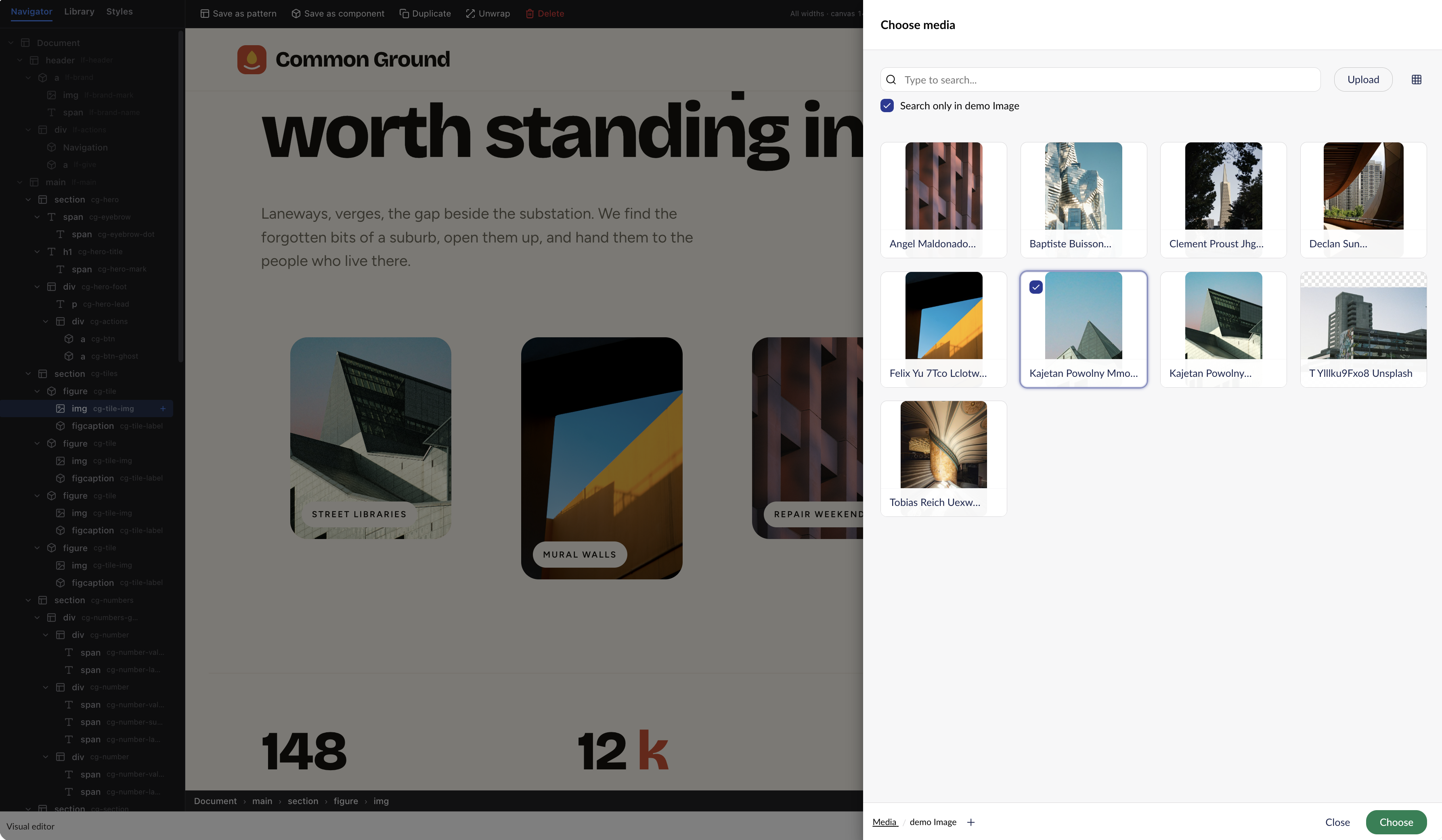
Krayon lives inside your Umbraco backoffice. Pages built in it are Umbraco content, so permissions, workflow, versioning, publishing and your existing templates and integrations all keep working. No second platform, no second login.
The biggest risk in CMS migrations isn’t data loss, it’s organisational drag. When timelines blow out or teams lose confidence mid-transition, momentum disappears. A controlled migration keeps delivery moving while the platform changes underneath.

Most performance and compliance issues aren’t technical failures - they’re planning failures. Decisions made at the architecture stage determine how predictable performance, security and content delivery will be later, long before traffic or audits put pressure on the system.

Experience shows up in momentum. Knowing which decisions deserve attention, how to sequence work, and where flexibility will be needed later keeps delivery moving as requirements evolve. The result is a platform that feels considered, not constrained, and a team that stays confident long after launch.
We also work as the technical partner for design agencies delivering Umbraco projects, white label or co-branded.









Enterprise website development services must navigate real operational pressure: governance, accessibility, scale, internal stakeholders, and constant change. When a website is treated as a static asset, teams pay for it later through rebuilds, workarounds, and lost momentum.
Read moreOur API integration services sit at the centre of how modern platforms operate. When they’re built with intent, data moves predictably between systems, teams stop compensating manually, and platforms hold up under real-world demand.
Read moreGovernment websites aren’t brand campaigns. They’re public infrastructure. Government website development must meet accessibility standards, security controls, procurement constraints, and public expectations all at once, without slowing delivery or compromising user experience. We design and build government websites that work in production, not just on paper.
Read moreTell us which Umbraco version you are on, what the site connects to and what is not working today. We will recommend an upgrade or migration path and a realistic timeline, as an Umbraco Platinum Partner based in Australia.
Umbraco CMS is open source and free to download and use under the MIT licence. There are no licence fees for the core CMS. Costs come from hosting, design and development, integrations, and optional paid products such as Umbraco Cloud, Umbraco Forms and Umbraco Deploy. For most organisations the investment is in the build and ongoing support, not the platform.
Yes. Umbraco includes a Content Delivery API, so content can be served to any front end, including React and Next.js sites, mobile apps and other channels. It also works as a traditional server-rendered CMS, so a project can run headless, hybrid or fully coupled depending on what suits. This website runs a Next.js front end on Umbraco.
Umbraco is used for websites, intranets, member portals and multi-site platforms, particularly where content structures are complex, integrations with CRM, payment or member systems are needed, and governance matters. In Australia it is widely used by government agencies, not-for-profits and enterprise organisations that need a secure, editor-friendly platform built on .NET.
Yes. We upgrade older Umbraco sites (versions 7, 8 and 13) to the current long-term support release, and migrate sites from platforms such as Kentico, Sitecore, WordPress and Drupal to Umbraco. Migrations are planned around content mapping, URL redirects and integrations so rankings and day-to-day operations are protected through the change.
Platinum is the highest tier in Umbraco's partner programme. It is awarded based on the number of certified Umbraco developers, delivery track record and contribution to the Umbraco community. Koben is an Umbraco Platinum Partner based in Australia and has worked with Umbraco since 2016.