Move beyond legacy limits
Bottlenecks created by ageing platforms are removed so change and growth aren’t artificially capped.
Finance and insurance teams don’t get room for digital guesswork. If a platform is slow, unclear, or fragile, trust erodes fast. Our work includes financial services web development for organisations operating under industry regulations and real financial risk, building platforms that are clear to use, hard to break, and designed to stand up to scrutiny.

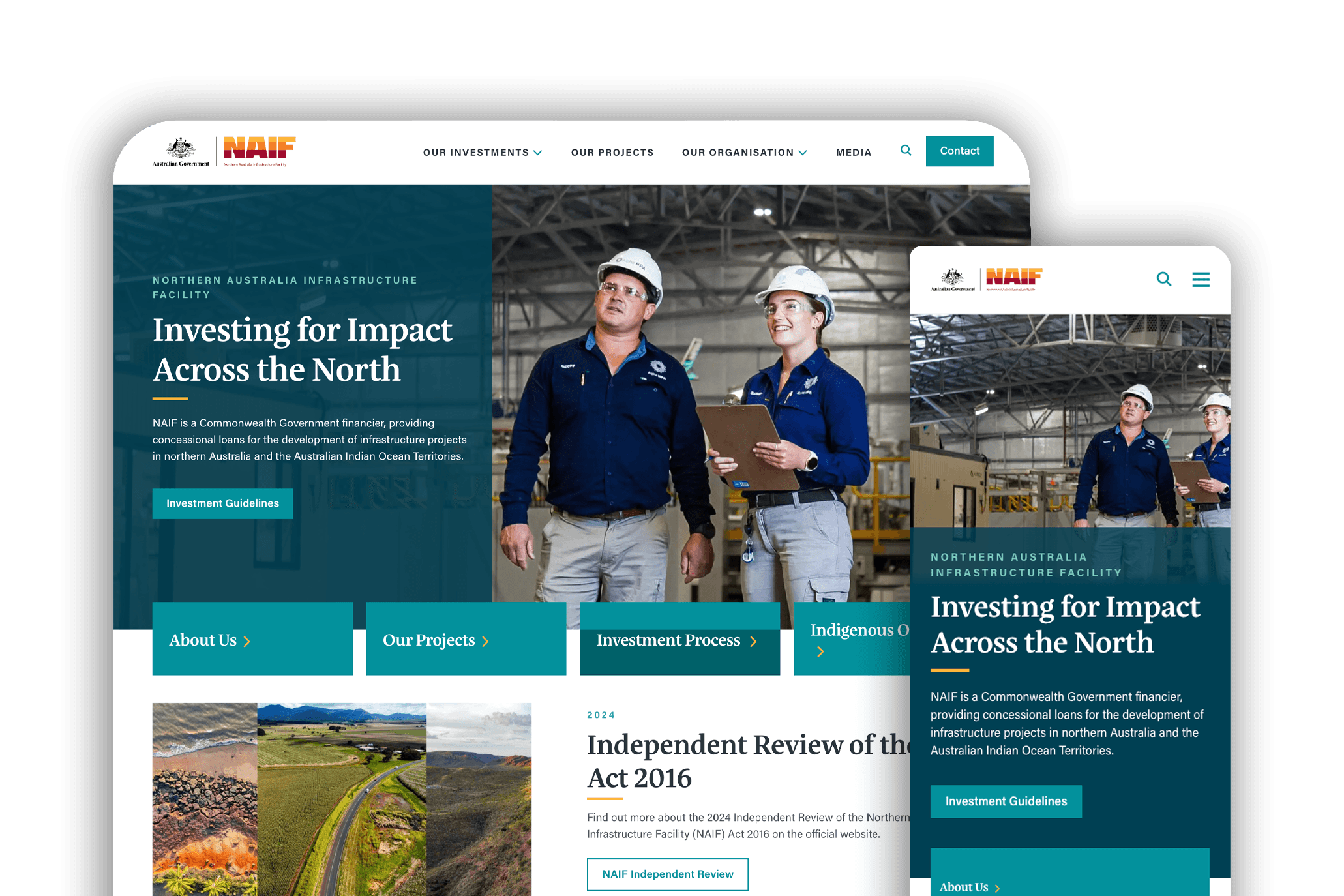
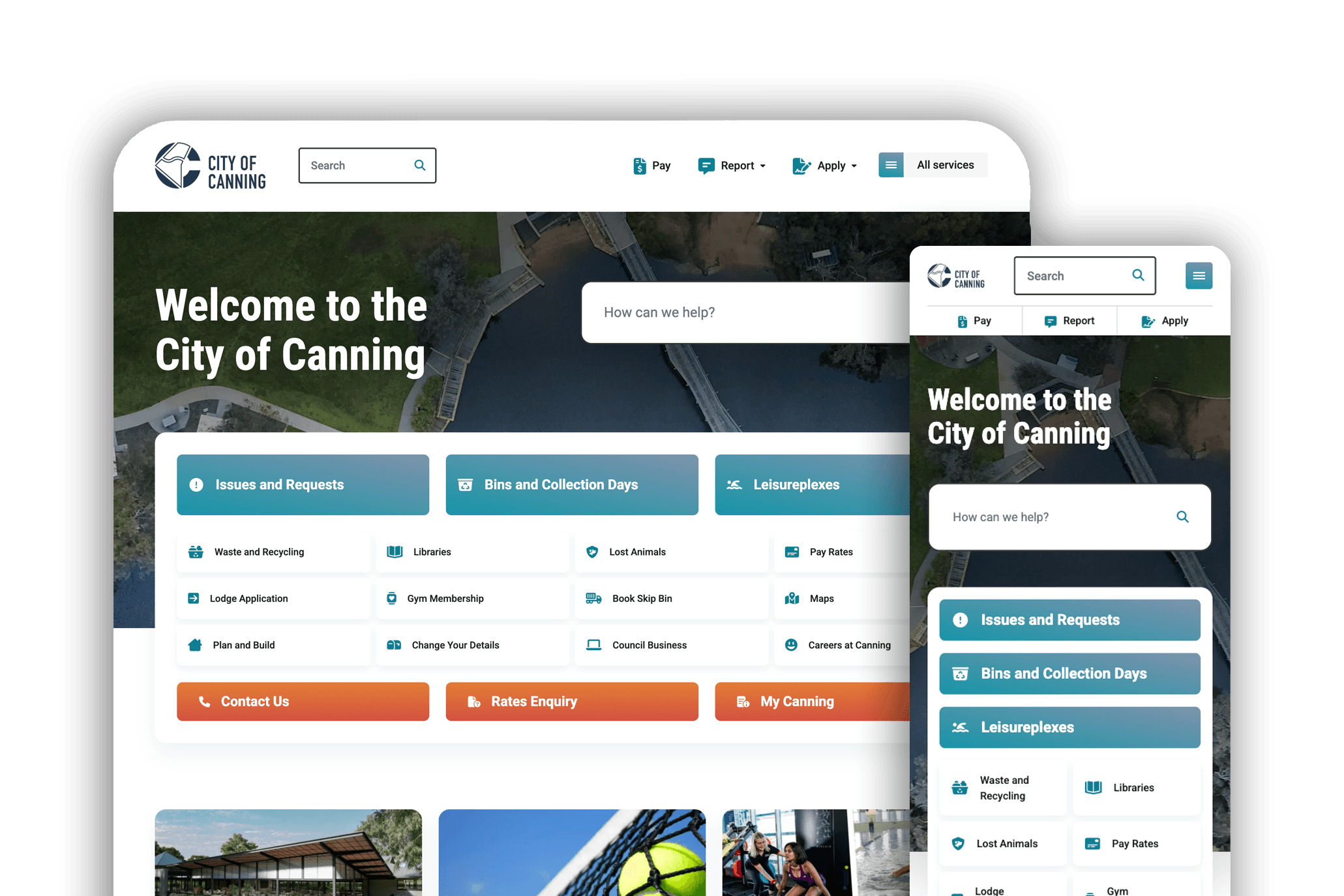
In finance and insurance, small platform decisions ripple fast into compliance processes, reporting accuracy and the cost of everyday change. In financial services web development, structural decisions either reduce or amplify that compounding drag. We build websites, customer portals and guided application journeys for banks, lenders, insurers and government financiers, including Export Finance Australia, the Northern Australia Infrastructure Facility and Loan Market. Systems that integrate cleanly, support regulated workflows and let teams adapt without re-engineering the foundations each time are how digital infrastructure becomes a growth engine, not a constraint.
Bottlenecks created by ageing platforms are removed so change and growth aren’t artificially capped.
Regulated interactions are made clear and usable without stripping out necessary complexity.
Platforms are structured to withstand regulatory pressure and increased demand without rework.
Fragmented systems are unified so performance, risk, and opportunity are visible together.
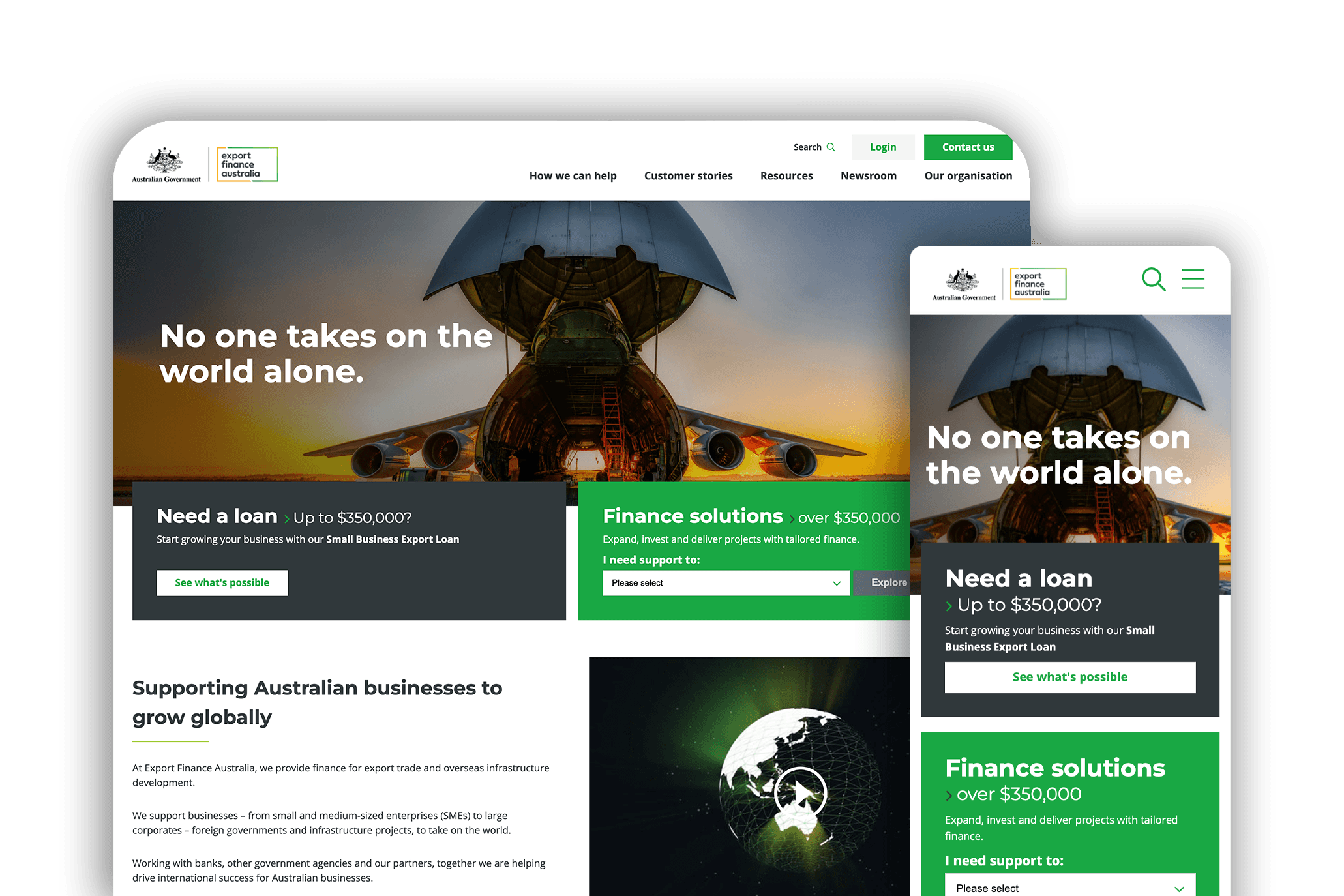
Tightly coupled systems and layered upgrades make even small changes expensive and fragile. In financial services web development, platform architecture determines whether growth compounds or stalls. We separate the customer-facing platform from core systems through well-defined APIs, so a product page, calculator or application form can change without touching policy administration, lending or claims platforms underneath. Export Finance Australia moved from agency-dependent campaign pages to a visual page builder its marketing team runs itself.

Applications, claims, quotes and policy comparisons span multiple systems, and friction is inevitable unless it is deliberately designed out. It shows up quickly in abandonment, unqualified enquiries and rework. For Export Finance Australia we rebuilt the site around needs-based pathways and personas, with personalised content that guides visitors to the right product. The result was more online applications and fewer unqualified calls to the contact centre.



Our website is our public face. It’s often the first-place potential customers go to when they need to find out how we can help. Our customers will now benefit from an enhanced customer journey including personalisation.
Swati Dave, Managing Director, Export Finance Australia
Crafted forExport Finance
In the financial sector, compliance pressure doesn’t break platforms, weak structure does. Systems either absorb scrutiny cleanly or need constant intervention to stay compliant. We build with the Privacy Act and Australian Privacy Principles, APRA CPS 234 information security expectations and ASIC disclosure obligations in view: two-factor authentication, web application firewalls, audit trails, controlled CMS permissions and penetration testing before launch. The Export Finance Australia platform passed government penetration testing on that basis.

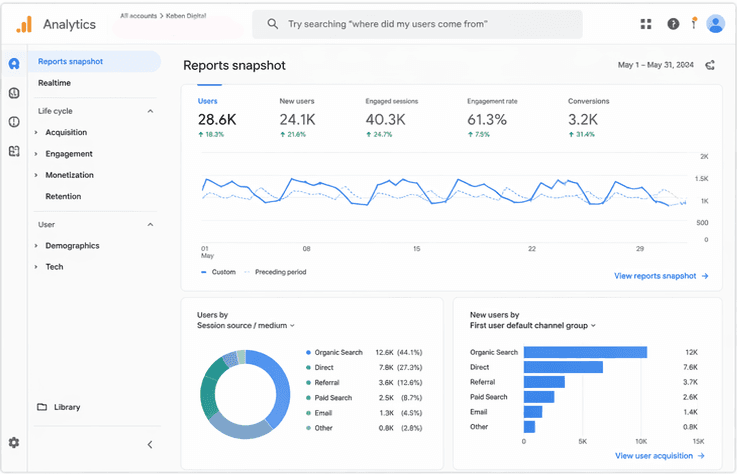
Fragmented data and disconnected content systems force leaders to interpret signals instead of act on them. Connecting the website, CRM, analytics and back-office systems gives product, marketing and compliance teams one view of what customers do and where they drop off. For NAIF, behaviour data from Hotjar and Google Analytics reshaped the information architecture and lifted pages per session by 33%.








Enterprise website development services must navigate real operational pressure: governance, accessibility, scale, internal stakeholders, and constant change. When a website is treated as a static asset, teams pay for it later through rebuilds, workarounds, and lost momentum.
Read moreOur API integration services sit at the centre of how modern platforms operate. When they’re built with intent, data moves predictably between systems, teams stop compensating manually, and platforms hold up under real-world demand.
Read moreDigital support creates real value when platforms remain stable, secure and adaptable long after launch. We support Umbraco websites, apps and platforms as an embedded extension of your team: proactive monitoring, security patching, version upgrades and strategic guidance that keep platforms performing under real-world pressure, including the faster, automated attacks AI now makes possible.
Read moreTell us which journeys matter most, what the platform must integrate with and which obligations apply. We will outline an approach that satisfies compliance and security requirements without adding friction for customers.
We build compliance and regulatory requirements into the scoping and architecture of a project from the outset, rather than retrofitting them later. What applies varies by organisation, whether that's guidance from APRA or ASIC or sector-specific obligations, so we work through the specifics with each client.
Yes. Long-running financial platforms are more often extended and modernised than rebuilt from scratch, and we approach that work the same way, focused on moving forward without disrupting systems your business depends on.
Typically these involve guided, multi-step processes such as applications, claims or policy comparisons, where clarity and trust matter as much as functionality. The goal is to turn a complex process into something a customer can complete confidently.
We build integrations with the systems finance and insurance organisations run, connecting a website or portal to the backend platforms that hold policy, claims or account data. See our Integrations page for how we scope that kind of work.
Security is treated as a foundational requirement, not an afterthought, covering authentication, data handling and integration with backend systems that hold sensitive financial information. Specific requirements are worked through with each client based on their regulatory context.