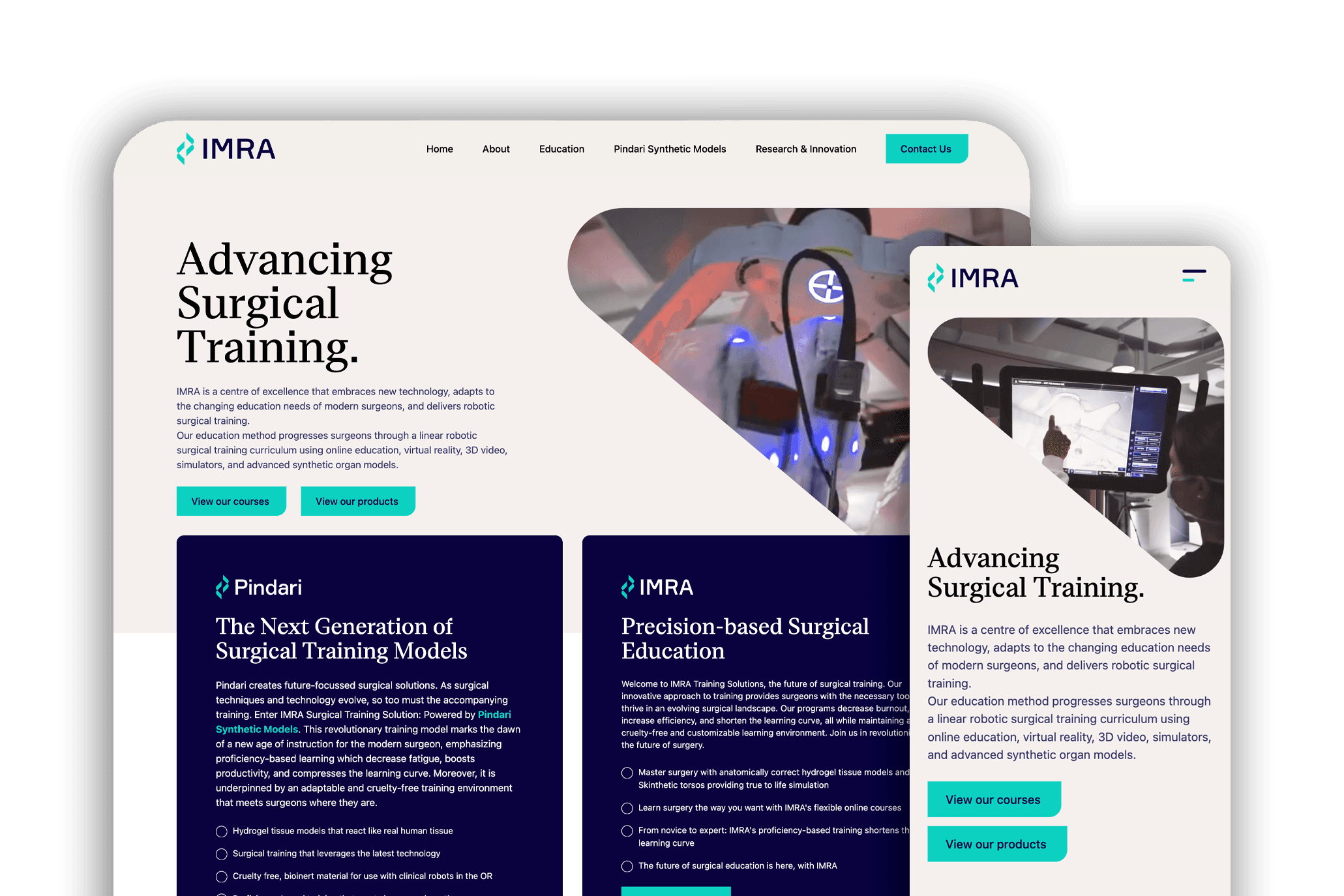
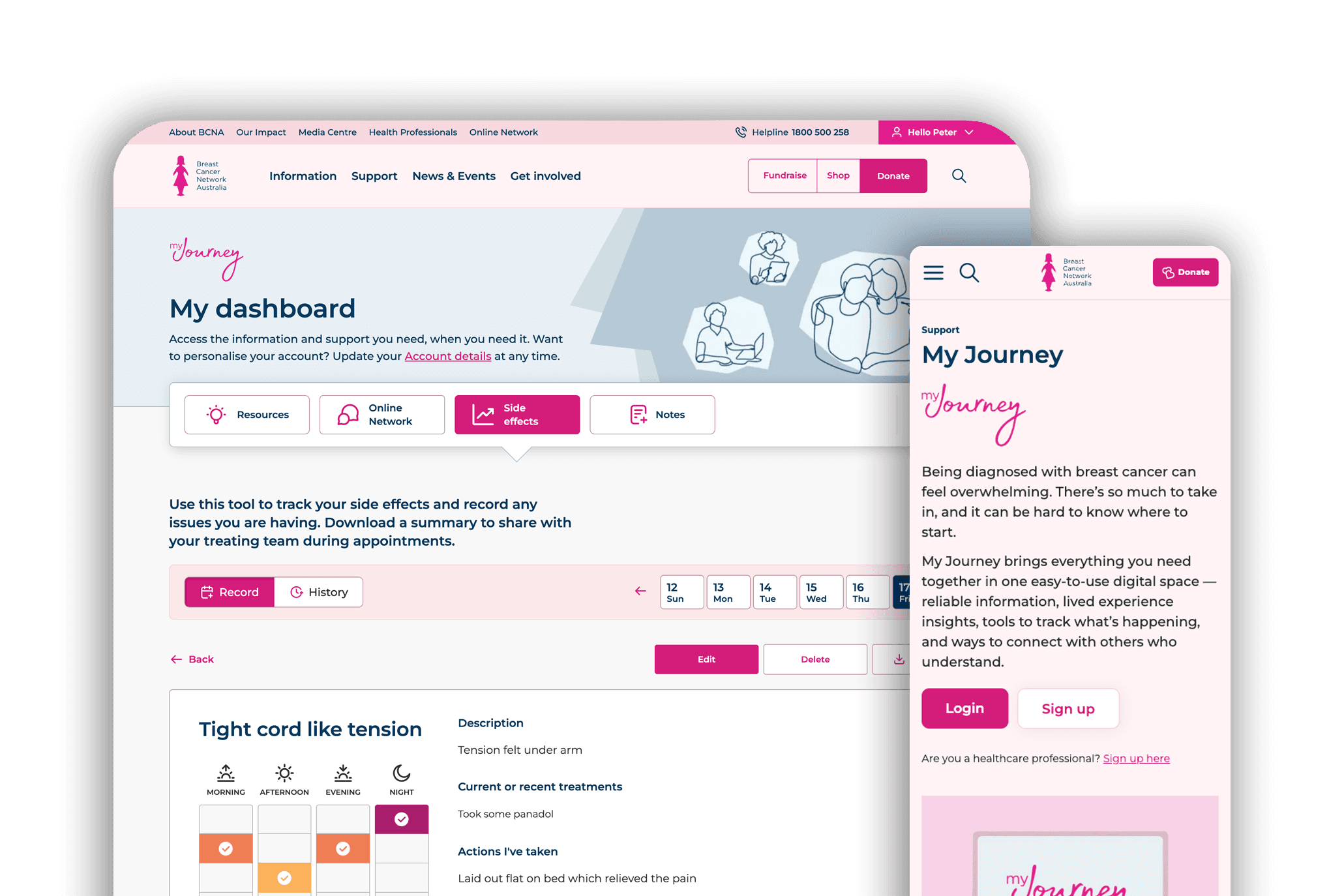
Native performance matters
Apps engineered around platform capabilities, responsiveness, and long-term stability.
Launch is easy. Longevity isn’t. Our mobile app development services take apps from build through long term use, with foundations that support continuous improvement and regular feature releases as needs change - the hallmark of strong custom mobile app development.

Once an app is in market, it stops being a feature and starts behaving like a platform. This is where disciplined custom mobile app development matters. Decisions around architecture, platform APIs, and release pipelines shape whether apps remain stable and secure over time, or require constant intervention to keep running. As a mobile app development agency we build native iOS and Android apps, cross-platform apps on a shared codebase, and the .NET and Azure APIs that sit behind them, including authentication, payments, push notifications and integration with CRM and membership systems. Our focus is on building mobile platforms that can absorb change without becoming fragile.
Apps engineered around platform capabilities, responsiveness, and long-term stability.
Authentication, APIs, payments, and offline support designed from the beginning.
Release pipelines and platform alignment that reduce operational risk over time.
Apps structured to support ongoing growth without constant rebuilds.
Operating systems evolve independently from the apps built on them. SDKs shift, device capabilities expand, and store requirements tighten over time. Stable mobile platforms are designed with enough structure to absorb those changes without introducing operational instability every release cycle.

Apps rarely operate in isolation. Authentication, APIs, payments, notifications, reporting, and internal systems all influence how mobile platforms behave under real-world conditions. Those connections need to remain reliable as usage grows and operational complexity increases.

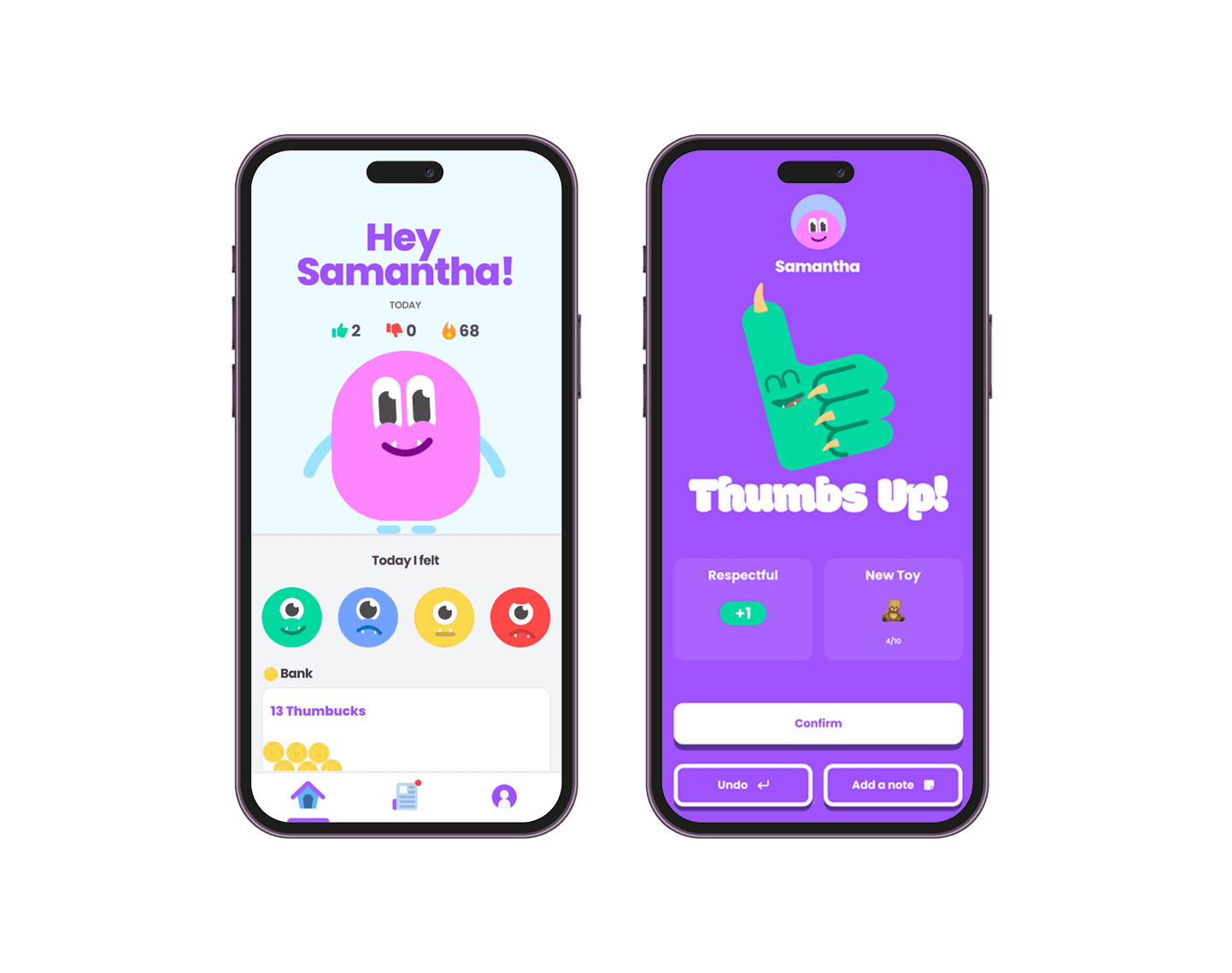
Release pipelines, testing processes, monitoring, and platform alignment all shape how safely mobile apps evolve over time. Stability is rarely the result of one decision - it comes from repeatable systems that reduce operational risk as platforms continue changing.

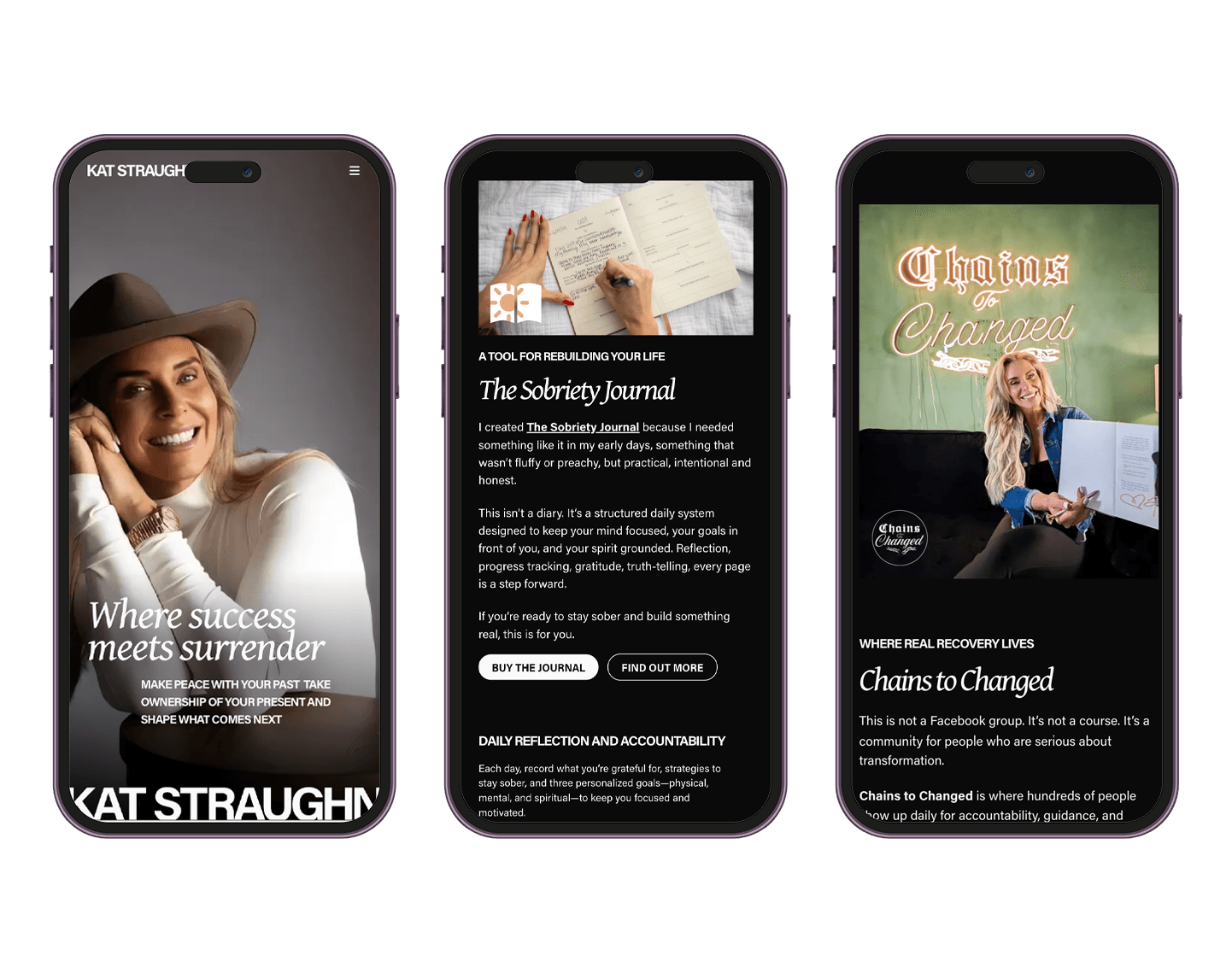
Apps that survive long term are usually the ones designed to evolve incrementally. Clear architectural boundaries, maintainable codebases, and scalable infrastructure make it possible to introduce new functionality without destabilising the platform underneath it.






Enterprise website development services must navigate real operational pressure: governance, accessibility, scale, internal stakeholders, and constant change. When a website is treated as a static asset, teams pay for it later through rebuilds, workarounds, and lost momentum.
Read moreOur API integration services sit at the centre of how modern platforms operate. When they’re built with intent, data moves predictably between systems, teams stop compensating manually, and platforms hold up under real-world demand.
Read moreHealthcare websites sit at the intersection of patients, practitioners, and complex systems. Healthcare website development in this space demands clarity, resilience, and regulatory discipline. We design and build platforms that support real clinical workflows, protect sensitive information, and hold up under pressure.
Read moreTell us who will use it, what it needs to connect to and where it needs to run. We will come back with a recommended approach, platform choice and a realistic timeline.
A mobile-friendly website adapts to a phone screen but still runs in a browser. A native or cross-platform app is installed on the device, can work offline, and gets deeper access to device features like push notifications, camera and location. The right choice depends on how the app will actually be used, not just how it looks.
Both, depending on the project. Native development (Swift for iOS, Kotlin for Android) gives the best performance and access to platform features, while a cross-platform approach can suit projects where budget or timeline favour a single codebase. We help you weigh that trade-off against what the app actually needs to do.
It depends heavily on scope, integrations and how many platforms you're targeting. A straightforward app with limited features can take a few months; anything involving offline behaviour, secure authentication or integration with existing systems takes longer. We scope this properly before committing to a timeline.
Yes. Submission involves its own set of requirements (privacy policies, screenshots, review guidelines) on both stores, and we support clients through that process as part of delivery, not as an afterthought.
Yes. Apps rarely work well in isolation, so we build the API integrations needed to connect a mobile app to CRM, membership or payment systems. See our Integrations page for more on how we approach that.