Evidence over opinion
Research that's grounded in interviews, surveys, and testing so decisions are based on what users actually do, not what teams assume.
User research turns uncertainty into direction. By observing behaviour, testing assumptions, and listening closely to the people using your product or service, we uncover what actually matters and translate those insights into clear, actionable inputs for design, technology, and strategy.

When teams have access to real insight, everything downstream improves. Priorities sharpen. Trade-offs become easier. Design and delivery move forward with intent instead of second-guessing. User research provides that clarity. It surfaces how people actually behave, what they value, and where friction really sits so that decisions are grounded in evidence, not internal opinion. From there, strategy, design, and development all have a much stronger foundation to work from. That's the direction we carry into UX and UI design once the research is done.
Research that's grounded in interviews, surveys, and testing so decisions are based on what users actually do, not what teams assume.
Raw insight is only useful when it leads somewhere. We turn patterns into clear design and product direction teams can act on.
Every audience behaves differently. Our research is tailored to your sector, constraints, and real-world environment.
Findings don’t sit in a slide deck. They become the foundation for strategy, design, and development decisions that follow.
When teams can point to real observations, decisions stop being debates. Research replaces gut feel with shared understanding, making it easier to prioritise work, align stakeholders and move forward without second-guessing every call. As a user research agency we run stakeholder interviews, user interviews, surveys, usability testing, card sorting and analytics review before design starts, so the direction is set by evidence rather than by the loudest voice in the room.

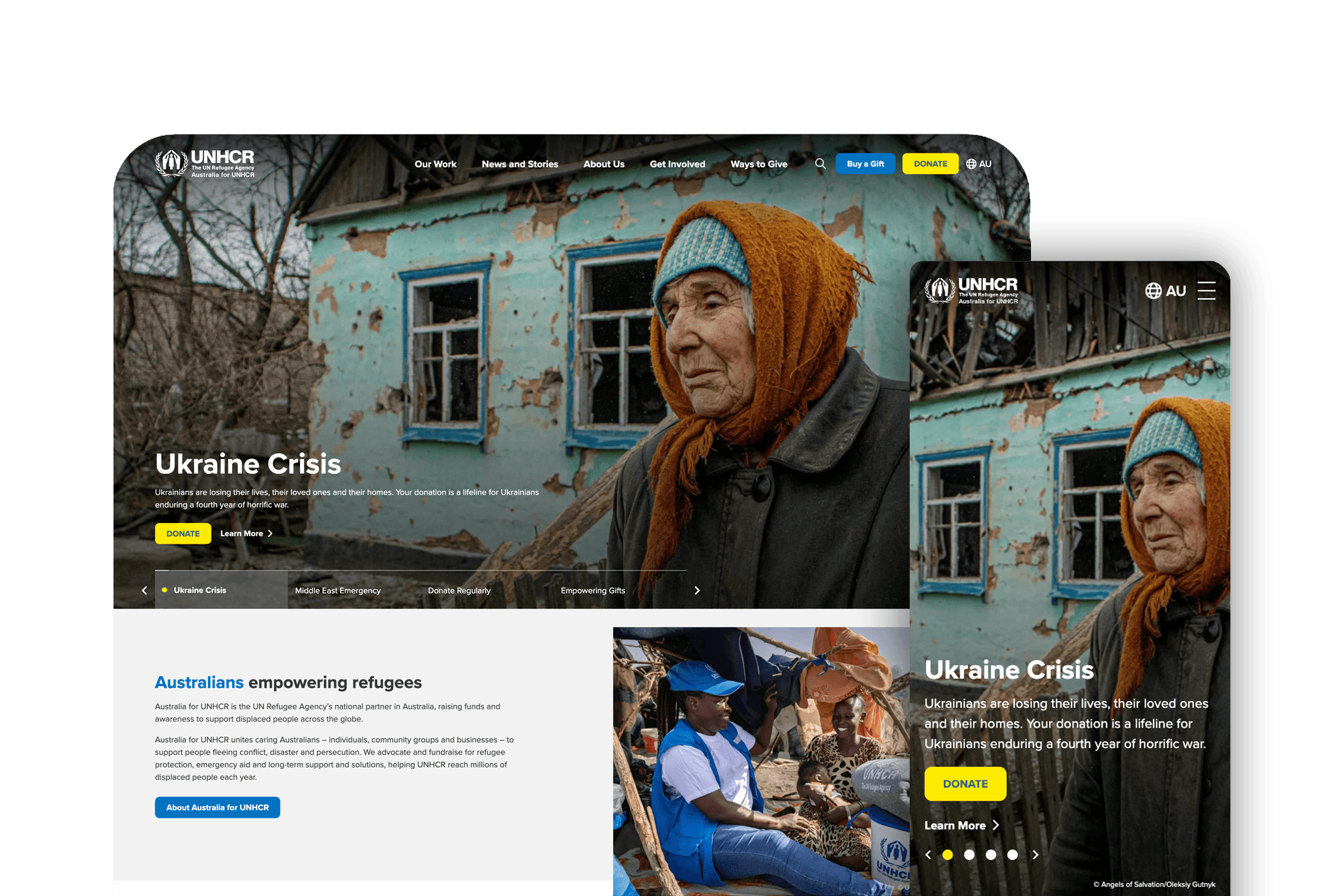
For not-for-profits, the moment of giving is where trust is won or lost. Donor journey research looks at what motivates a supporter, where hesitation appears in the donation flow and which payment and communication choices build confidence. For Australia for UNHCR, a co-design process with donors mapped those journeys and removed the friction points before the donation experience was rebuilt. Those patterns give fundraising and digital teams something solid to design against, rather than reacting to isolated feedback.

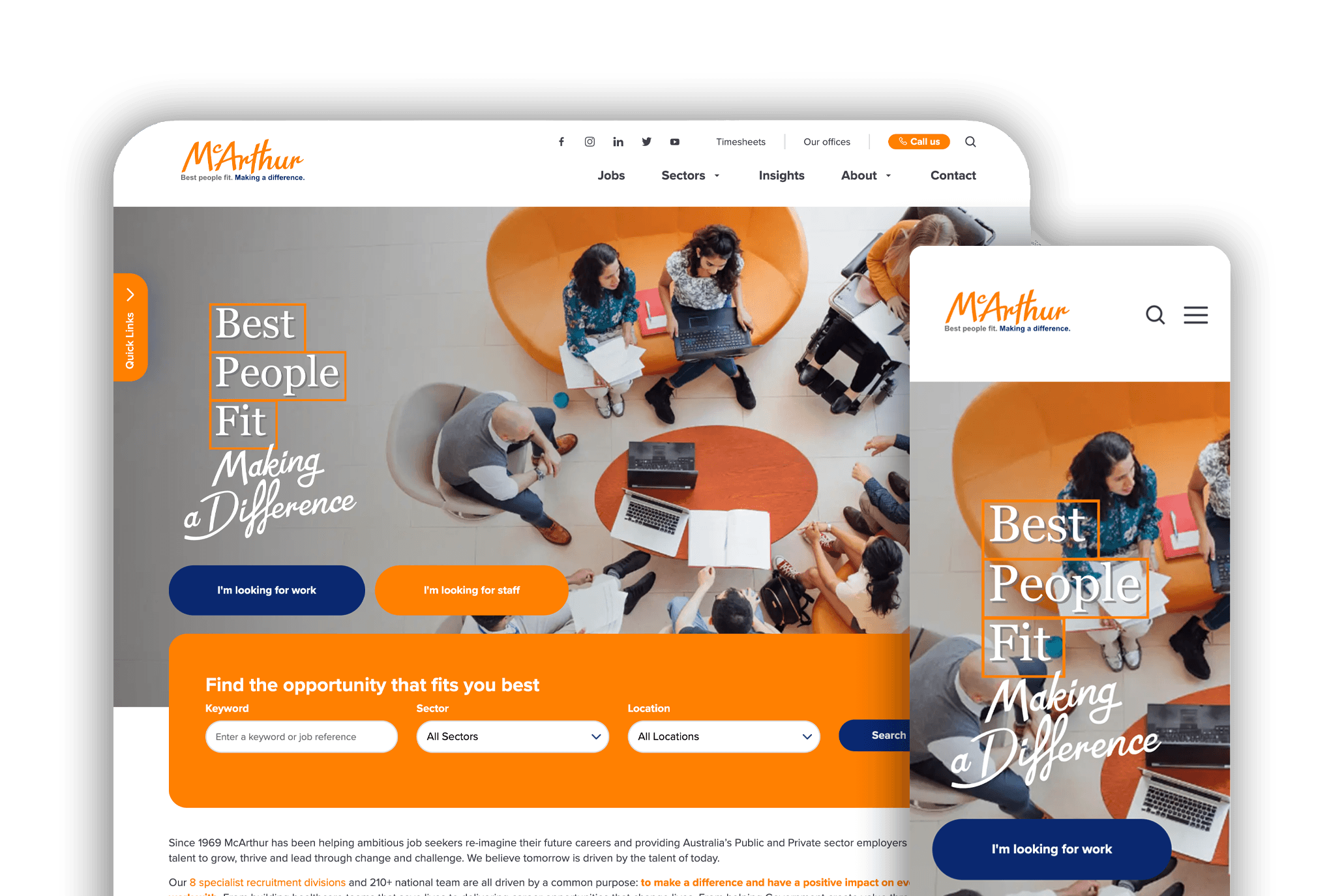
Users don’t interact with products in a vacuum. Industry expectations, organisational constraints and environmental factors all influence how people behave and what they need. Research that accounts for that context produces insight that actually applies. For McArthur, interviews with recruiters and applicants showed that very different audiences were being treated the same, which reshaped the site’s pathways before a line of design was drawn.

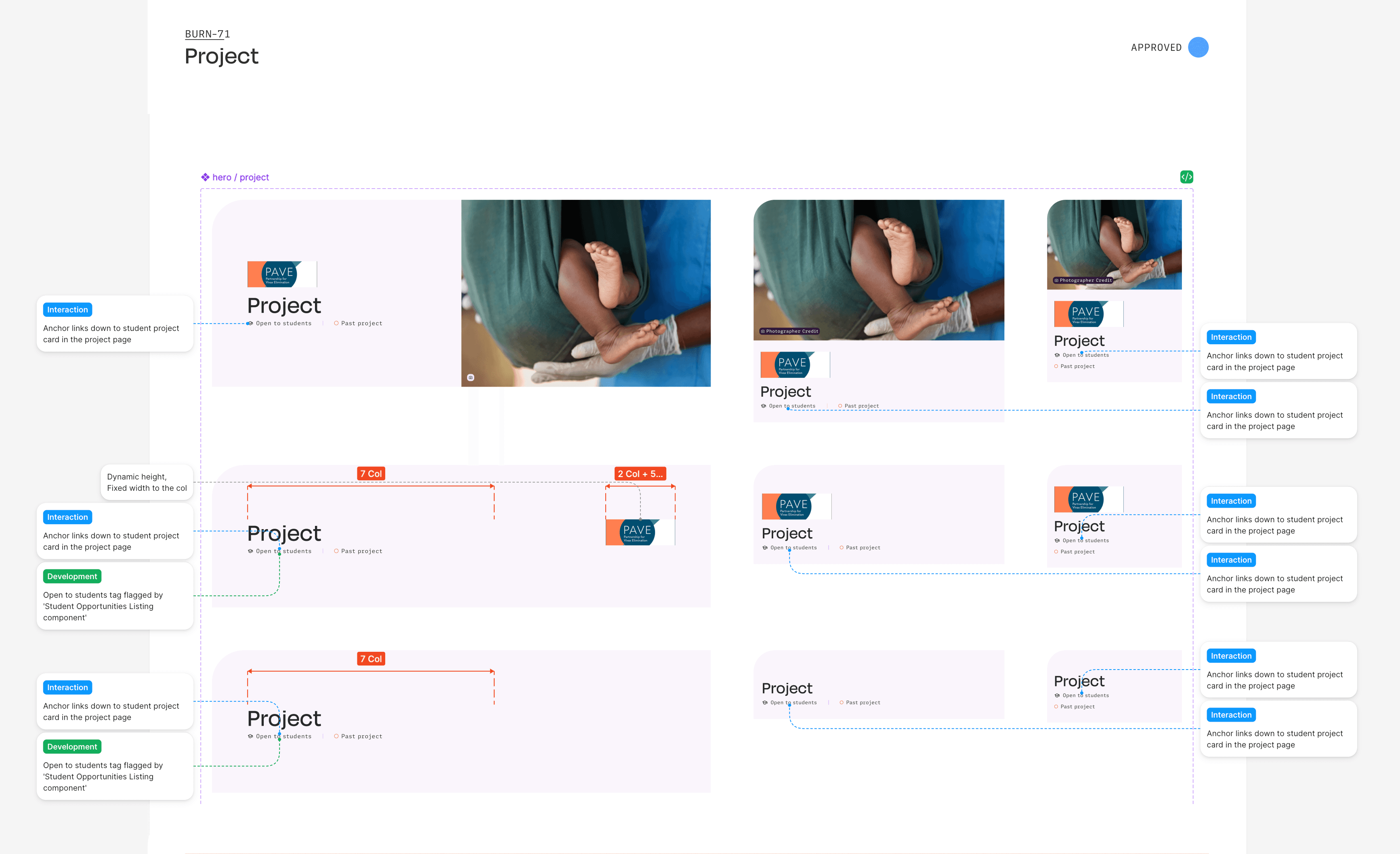
Good research doesn’t end with findings. It carries forward into strategy, design decisions and technical choices, shaping what gets built and why. The research phase produces personas, journey maps and a prioritised findings report that then feed our UX and UI design phase, so insight is treated as a shared asset rather than a deliverable that sits in a slide deck.














Our user interface design services earn their keep when interfaces remove hesitation. We design visual systems and visual design frameworks that establish clear hierarchy, guide attention, and make complex platforms easier to read, scan, and act on - especially in environments where users need to move quickly and confidently.
Read moreMost organisations don’t need more ideas, they need direction. Our digital strategy services cut through complexity, align digital investment to real business objectives and give teams a clear path to long term, sustainable growth.
Read moreYour mission is complex enough. Not for profit website development should make your work easier, not more complicated. We design and build platforms that simplify operations, improve user experience, and help you connect with the right target audience, all without wasting time or budget.
Read moreTell us the decision you are trying to make and who it affects. We will scope a research engagement that answers it, from a short discovery sprint to a full round of interviews and testing.
Analytics tell you what people did, not why they did it. If people are dropping off at a certain step or not converting, research methods like interviews and usability testing explain the reasoning behind that behaviour, which analytics alone can't tell you. The two are complementary, not substitutes for each other.
Depending on the question we're answering, that includes interviews, surveys, usability testing and analytics review. We choose the method based on what needs to be understood, not a fixed template applied to every project.
Ideally before major design or build decisions are locked in, so findings can actually influence direction rather than validate choices already made. Research can also run later in a project to test specific decisions, but it has the most impact early.
Findings from research directly shape the structure, priorities and interface decisions made in the UX/UI design phase. See our UX/UI Design page for how that translates into an actual product.
Yes. We've worked on donor and supporter journeys for not-for-profit clients, where understanding what builds trust and what causes drop-off at the point of giving is directly tied to the organisation's ability to raise funds. It's a distinct research angle from a typical commercial user journey.