Shopify and Shopify Plus
Custom and headless storefronts, checkout configuration and app-light builds that stay fast as the catalogue grows.
E-commerce development creates long-term value when platforms remain fast, maintainable and operationally reliable as complexity increases. We build on Shopify and Umbraco Commerce, choosing the platform on fit rather than habit, and design commerce systems that hold up under real growth pressure: storefront performance, checkout flows, donations, integrations, fulfilment and evolving operational demands.

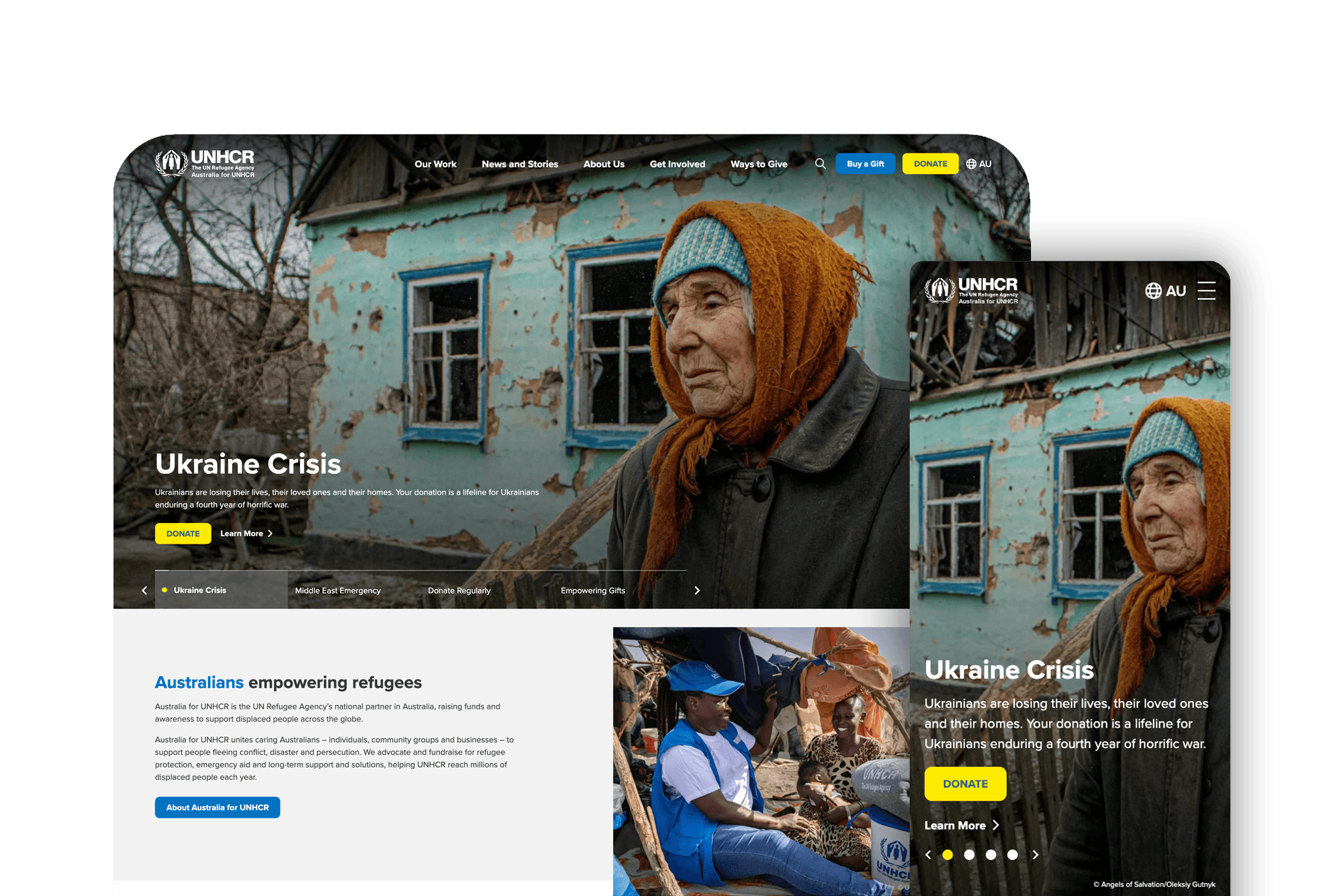
As online stores mature, the pressure rarely comes from design or features. It comes from traffic spikes, operational complexity, and the need to change quickly without breaking revenue-critical flows. As an e-commerce development agency in Australia we build on two platforms. On Shopify and Shopify Plus we deliver custom storefronts, headless commerce front ends, checkout and payment configuration and the integrations that connect a store to inventory, CRM, ERP and fulfilment; the BCNA store runs on Shopify with our support. On Umbraco Commerce we build stores, donation and membership checkouts and B2B catalogues inside the Umbraco CMS, so content and commerce live in one platform under your control; UNHCR Australia, Fienza and Ironhartco run on Umbraco Commerce. We recommend the platform on fit, then shape decisions around performance, flexibility and long-term maintainability so teams can evolve their store without constantly reworking what is already live.
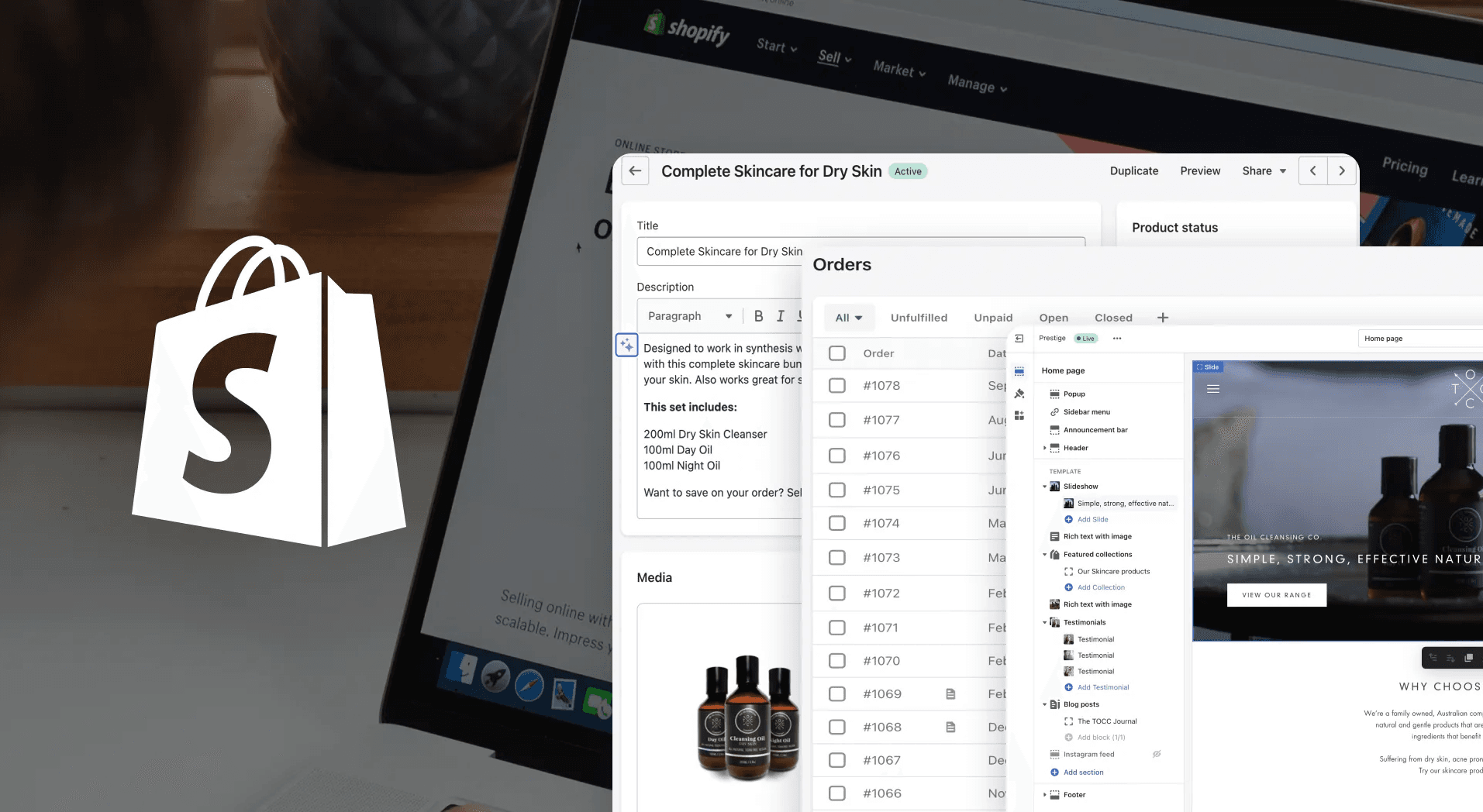
Custom and headless storefronts, checkout configuration and app-light builds that stay fast as the catalogue grows.
Catalogue, pricing, checkout and orders inside the Umbraco CMS, so content and commerce run as one platform you own.
Lean e-commerce platforms that stay fast and stable as traffic, products, and operations scale.
Integrations, fulfilment, inventory, and operational systems designed to work together.
Conversion flows shaped to reduce friction without creating operational complexity later.
One-off and recurring payments through the same checkout and order pipeline, the way UNHCR Australia's donation flow runs on Umbraco Commerce.
Catalogue, pricing model, integrations and the team running it decide between Shopify and Umbraco Commerce. We recommend, then build.
Scalable commerce foundations that support ongoing growth without constant rebuilds.
Early commerce platforms often assume predictable traffic, simple operations and stable requirements. Pressure appears later through campaigns, seasonal demand, growing catalogues and operational complexity. Platforms that scale cleanly usually share one thing in common: deliberate architectural restraint.

Most revenue loss doesn’t come from dramatic failures. It appears through hesitation, inconsistent checkout flows, slow performance, and small interruptions that compound across the customer journey. Deliberate UX, performance optimisation, and checkout architecture reduce that friction before it becomes visible in reporting.

Shopify earns its place when the catalogue is standard retail, launch speed matters and the team wants a proven checkout, payments and app ecosystem without running infrastructure. Our Shopify development covers custom and headless storefronts, Shopify Plus checkout customisation, migrations from other platforms with URL mapping so rankings are kept, and the integrations that connect the store to inventory, CRM and fulfilment. We keep builds app-light because app-heavy stores slow down and break at the worst moments. The BCNA store runs on Shopify and is supported by our team alongside the organisation's Umbraco platform, so both sides share one set of customer data.

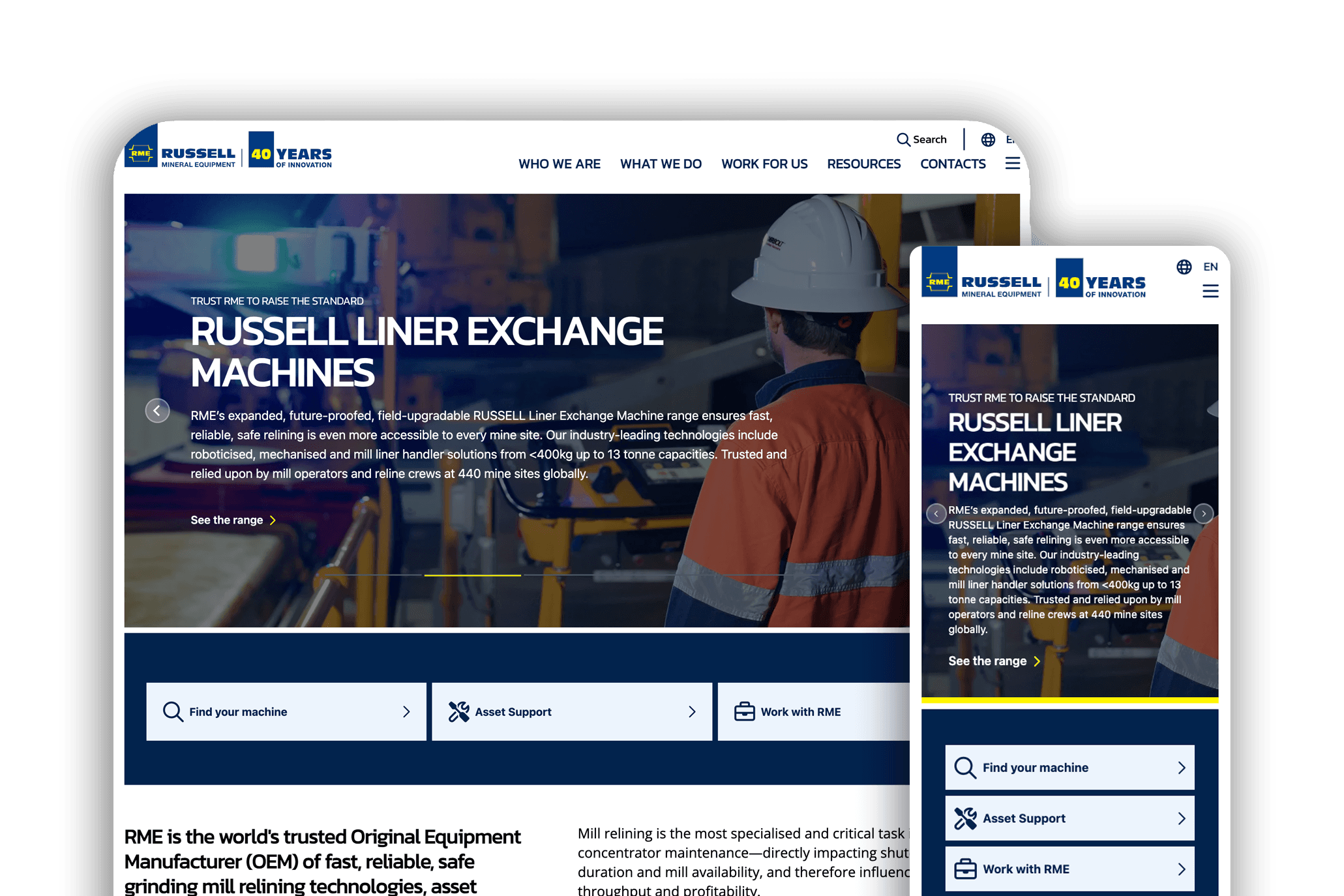
Umbraco Commerce puts catalogue, pricing, checkout and order management inside the Umbraco CMS. That suits organisations where the buying experience is content-led, where pricing is custom or B2B, where donations and memberships need to run through the same checkout as products, or where an Umbraco site already exists and a second platform would only add cost and a second login. Data stays in your own Azure environment, there are no per-transaction platform fees, and editors manage content and products in one backoffice. UNHCR Australia's donation experience, Fienza's product catalogue and Ironhartco's store all run on Umbraco Commerce built and supported by Koben.

Storefronts now connect into inventory platforms, CRMs, fulfilment systems, reporting tools, payment providers, and marketing platforms. Those integrations shape operational efficiency just as much as the customer experience itself. Systems work best when information moves reliably without manual reconciliation or duplicated effort.

Commerce platforms change constantly. APIs evolve, customer expectations shift, operational models mature, and platforms like Shopify continue expanding rapidly. Sustainable commerce systems are designed to absorb that change without introducing fragility every time the business evolves.






Umbraco CMS is a flexible, open source platform designed for organisations dealing with complex content, integrations, and governance. As an Umbraco Platinum Partner, it's our go-to content management system when simpler platforms break down, supporting enterprise, government, and NFP platforms that need to scale, stay secure, and remain usable for everyday teams.
Read moreEnterprise website development services must navigate real operational pressure: governance, accessibility, scale, internal stakeholders, and constant change. When a website is treated as a static asset, teams pay for it later through rebuilds, workarounds, and lost momentum.
Read moreOur API integration services sit at the centre of how modern platforms operate. When they’re built with intent, data moves predictably between systems, teams stop compensating manually, and platforms hold up under real-world demand.
Read moreTell us about your catalogue, your order volumes and the systems the store needs to talk to. We will recommend Shopify or Umbraco Commerce on fit, and what to build custom versus configure.
Yes. We build and support stores on both. Shopify suits standard retail catalogues that need to launch quickly with a proven checkout and app ecosystem; Umbraco Commerce suits organisations that already run Umbraco and want content, catalogue, pricing and checkout in one platform under their own control. Our Umbraco Commerce work includes UNHCR Australia, Fienza and Ironhartco; our Shopify work includes the BCNA store.
We look at the catalogue and pricing model, how much the buying experience depends on content, which systems the store must integrate with, where the data needs to live, and the team that will run it. A straightforward retail catalogue with fast launch as the priority usually points to Shopify. Content-led or B2B commerce, custom pricing, donation and membership flows, or an existing Umbraco investment usually point to Umbraco Commerce. We recommend one and explain why before anything is built.
Yes. Umbraco Commerce handles one-off and recurring payments, so donations, memberships and event registrations can run through the same checkout and order pipeline as physical products. That is the model behind the UNHCR Australia donation experience, which integrates with the Paydock payment gateway and the organisation's CRM.
Headless commerce separates the storefront (what customers see and interact with) from the backend commerce engine (product data, inventory, checkout logic), connecting the two through APIs instead of running them as one locked-together system. It gives more flexibility over design and performance than a standard, fully coupled storefront.
Shopify Plus is the enterprise tier, built for higher order volumes, more checkout customisation and more advanced automation than the standard Shopify plans allow. Which one fits depends on your scale and how much control you need over the checkout experience specifically.
Yes. A migration involves moving product data, customer records and order history across, mapping URLs so search rankings aren't lost, and making sure any existing integrations (payment, logistics, CRM) are rebuilt or reconnected on the new platform. The same process applies whichever platform you are moving to.
We build custom storefronts where the brand or functionality needs it, and use Shopify's existing theme framework as a starting point where that's the more sensible option. The right approach depends on how much of the out-of-the-box experience actually fits what you need.
Yes. Commerce platforms rarely operate in isolation, so we connect Shopify and Umbraco Commerce stores to CRM, ERP, payment and fulfilment systems as needed. See our Integrations page for more on how that work is scoped.